
How Do You Find Kid-Friendly Trails at Any National Park?
Every national park hides a handful of kid-friendly trails that suit small legs and short attention spans. You just need a plan before you arrive. This guide covers the simplest ways to find family hikes at any park.
Finding the right path keeps everyone happy and moving. It also saves you from a meltdown two miles from the car. Let's walk through the steps that work everywhere.
Start at the Visitor Center
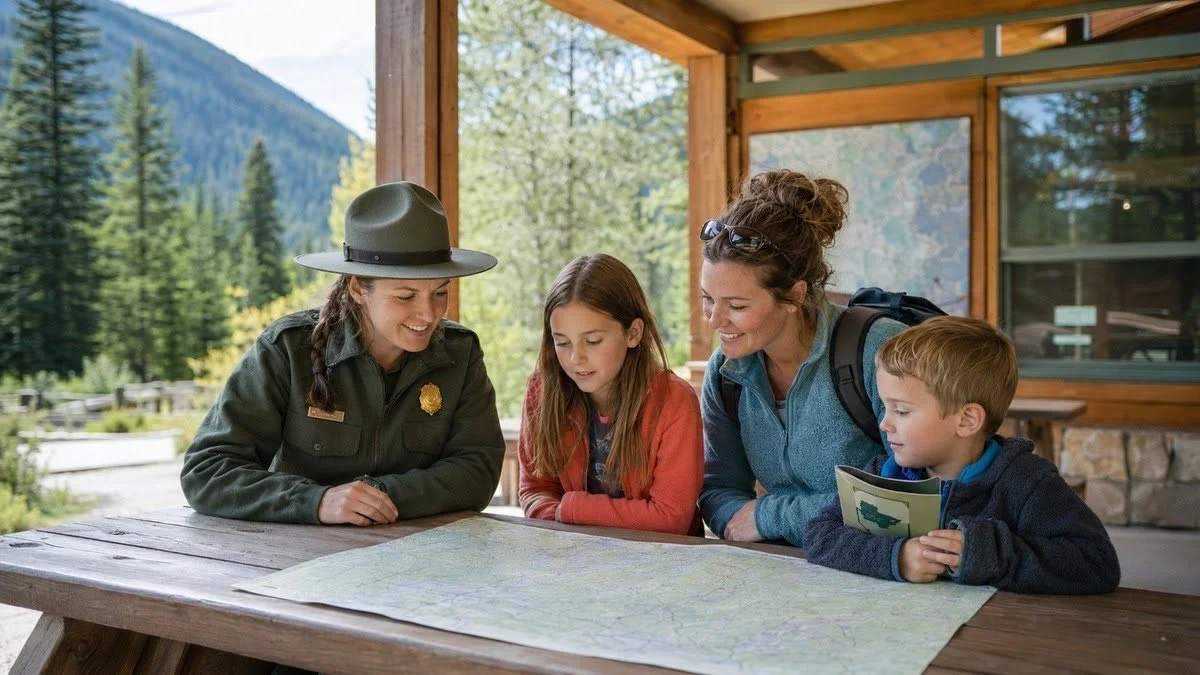
The visitor center is your fastest route to kid-friendly trails. Rangers there know which paths stay flat, shaded, and short. Ask them directly, and they'll point you to the right trailhead.
Most centers hand out park maps with a trail difficulty rating. These ratings help you skip steep elevation gain and long mileage. You can also ask about restroom access and good spots for snack breaks.
While you're there, ask about ranger-led programs for kids. Many parks run short walks built for curious young hikers. They turn a simple nature walk into a small adventure.
Use the Park App and Website
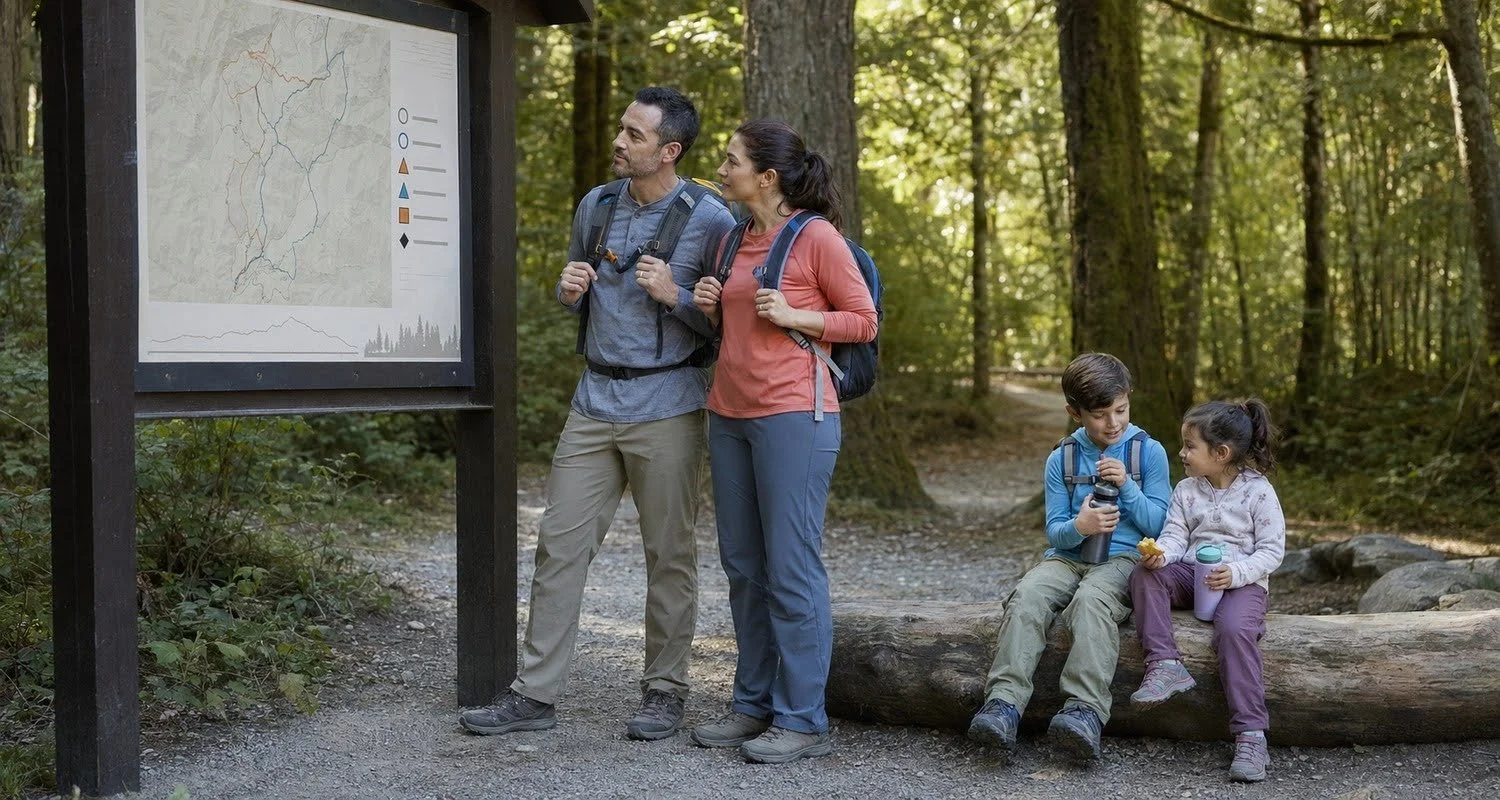
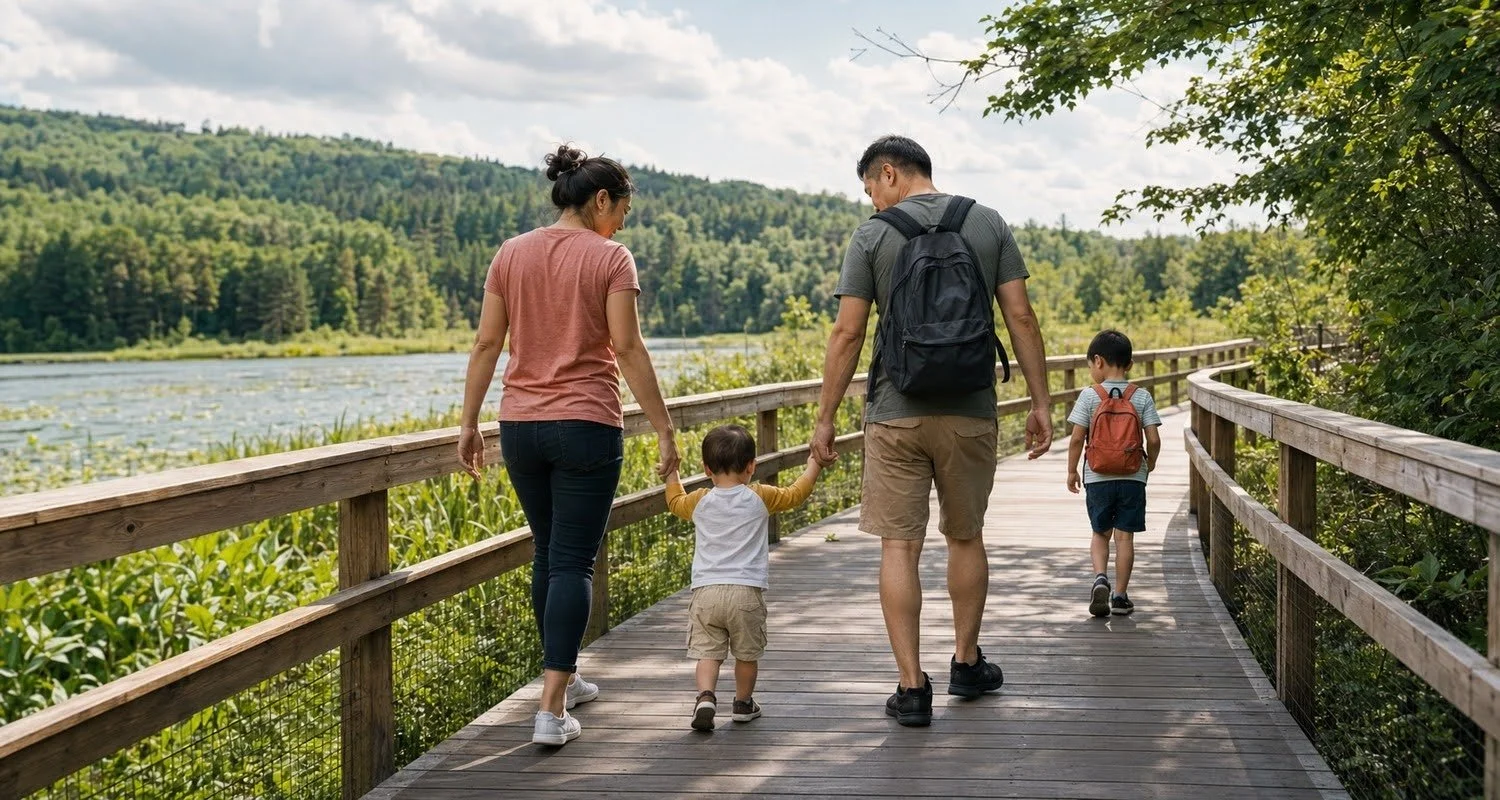
Before you leave home, check the park's official website. Most list easy trails with distance, elevation, and surface type. Look for a paved path, a boardwalk trail, or a stroller-friendly path.
The best kid-friendly trails often share those features. The National Park Service app also works offline once you download your park. It shows self-guided trail options, trail markers, and current trail conditions.
Reading reviews helps too. Parent-written trail reviews often flag shade, crowds, and stroller access. They fill gaps that official maps sometimes miss.
Match the Trail to Your Child's Age
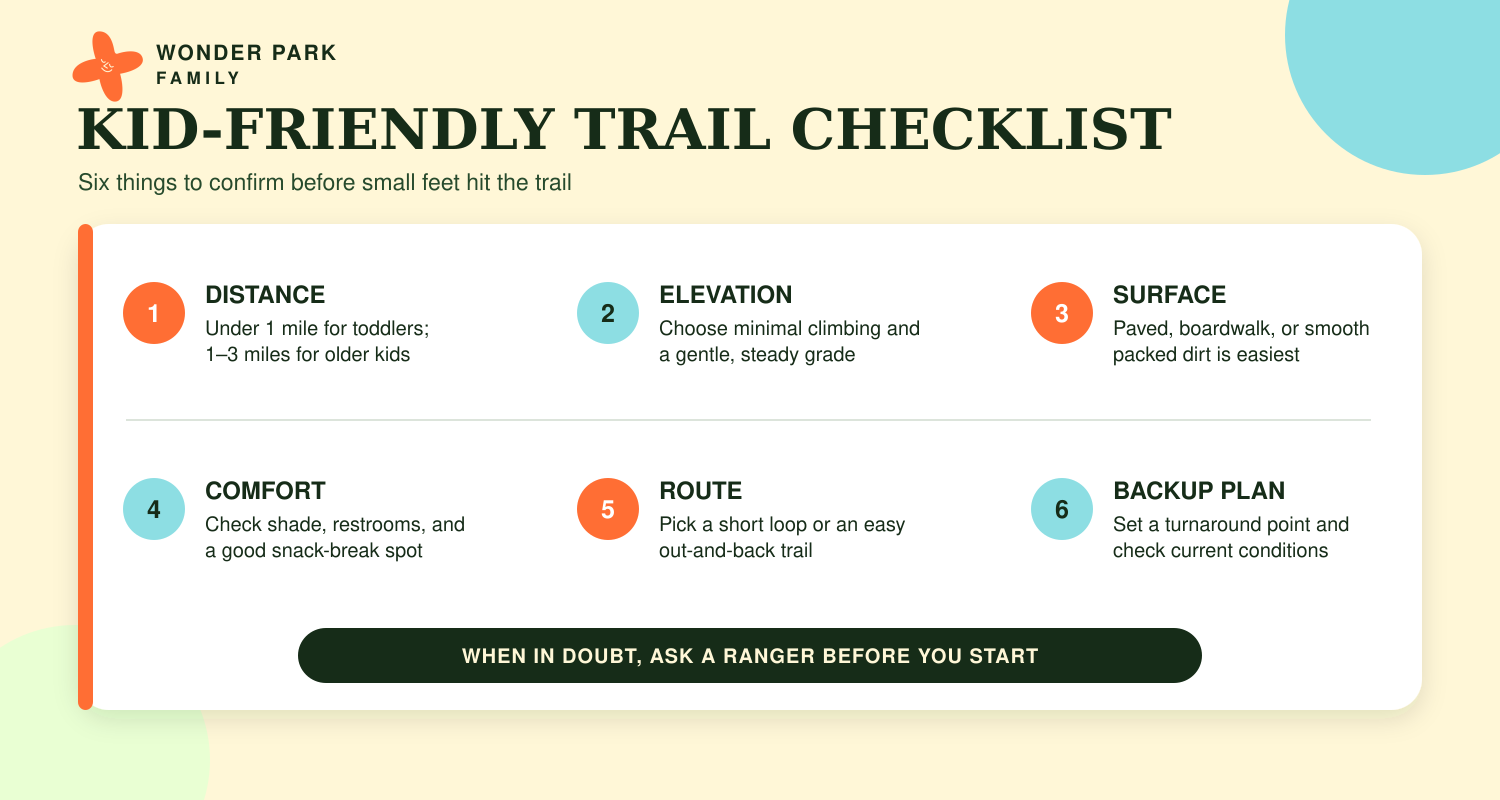
A toddler and a nine-year-old need very different hikes. Short loop trails under a mile suit little ones best. Older kids can handle an out-and-back trail with mild elevation gain.
For inspiration, families rave about easy family hikes in Rocky Mountain National Park. Younger crews do well with gentle options like Sequoia with toddlers or Zion with kids. Each park has a kid-friendly trail that fits your group.
If you're nervous about safety, that's normal. Reading about Grand Canyon with young kids can ease those worries. Preparation always beats guesswork on the trail.
Turn the Hike Into a Game
Kids move faster when a trail feels like play. Try the junior ranger program at the visitor center desk. You can download the official junior ranger activities before your trip too.
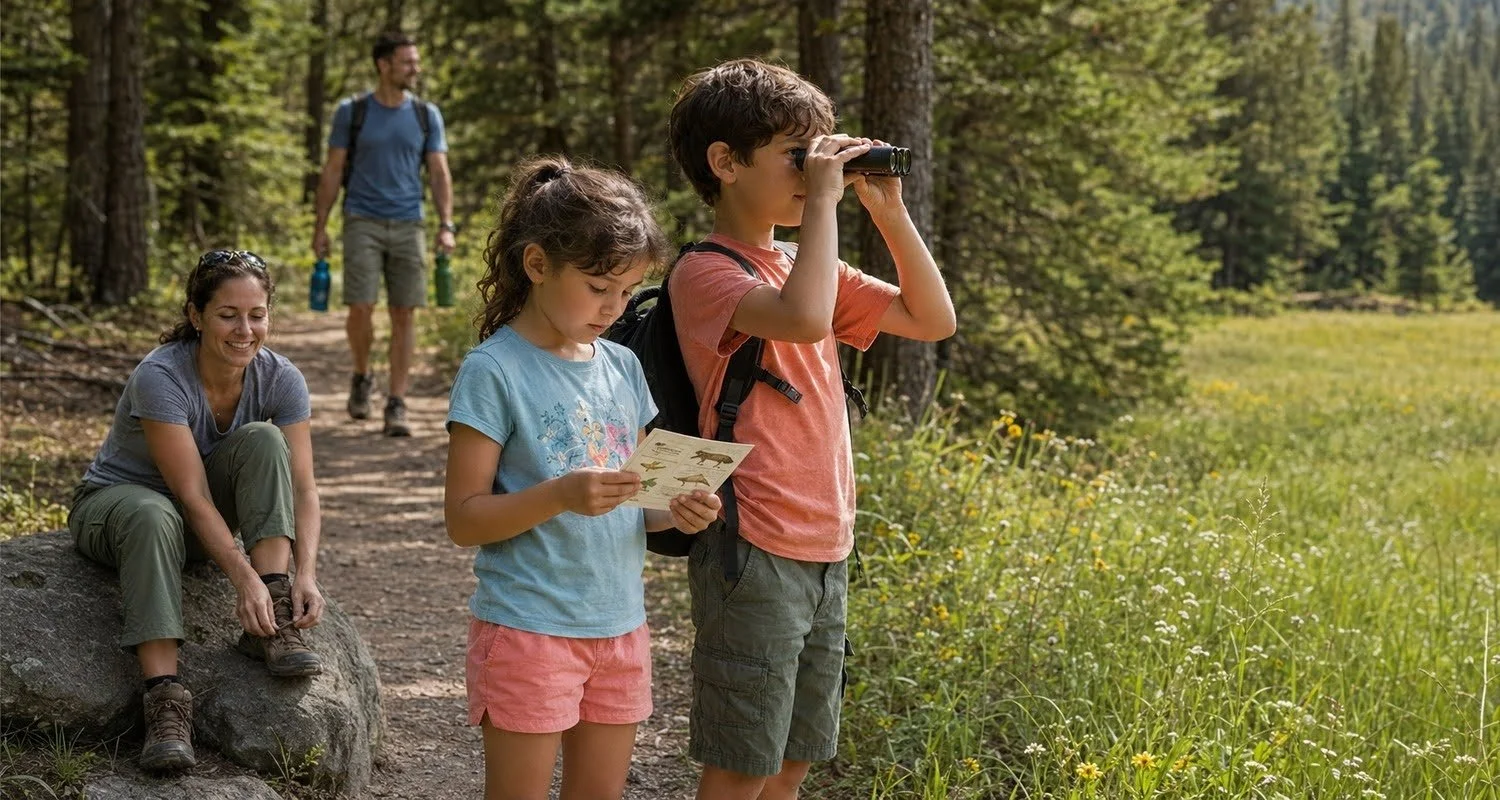
Badges reward effort, so learning how junior ranger badges work motivates young walkers. Wildlife viewing helps as well. A quick guide to wildlife kids can spot keeps eyes busy and legs moving.
Small challenges beat plain walking every time. Count trail markers, spot birds, or race to the next bend. These tricks stretch short attention spans.
Plan Ahead So Nobody Gives Up
Great trips start before the trailhead. Get your crew ready by helping get kids excited about the visit. Building anticipation raises the odds of a happy hike.
Weather, water, and timing matter for young hikers. Seasoned advice like these tips for hiking with children covers gear and pacing. A little planning prevents most trail-day problems.
Budget plays a role too. You can plan a family trip around free ranger walks and easy trails. Smart planning stretches both energy and money.
Explore Parks Known for Family Hikes
Some parks simply shine for families. Consider Acadia with young kids for gentle coastal paths and tide pools. Kids love Shenandoah with kids for its short waterfall walks.
Underground fun waits at Mammoth Cave with kids, where flat tours suit small feet. History and easy trails combine at family-friendly Arches. For a quieter pick, try these underrated family destinations near the coast.
Raising outdoor-loving kids takes practice and patience. This guide on kids who love outdoors offers gentle, tested ideas. Every easy trail builds their confidence a little more.
Conclusion
Finding kid-friendly trails at any national park comes down to asking rangers, checking apps, and matching trails to ages. Add a few games, and short hikes turn into favorite memories. Your family's next easy trail is closer than you think.
Pack a little curiosity for the road. Our screen-free adventure books keep kids engaged between trailheads. The Rocky Mountain adventure guide and Zion activity book make great trail companions for young explorers.
Frequently Asked Questions
How do I find kid-friendly trails at a national park?
Start at the visitor center and ask a ranger. Check the park app for easy, short, and paved trails. Reviews from other parents also help you pick the right family hikes.
What makes a trail kid-friendly?
Kid-friendly trails stay short, mostly flat, and well marked. Shade, benches, and nearby restrooms help too. Look for loop trails under a mile for the youngest hikers.
Are junior ranger programs good for hiking with kids?
Yes. The junior ranger program adds fun goals to any walk. Kids complete simple activities, earn a badge, and stay motivated across the whole trail.
How long should a hike be for young children?
Keep it short for little ones. Toddlers do well under half a mile. Grade-schoolers can manage one to three miles with breaks, snacks, and water.
Can I use a stroller on national park trails?
Sometimes. Many parks have paved paths or boardwalk trails that fit strollers. Ask the visitor center or check the park app for stroller-friendly path options first.
What should I pack for a family hike?
Bring water, snacks, sunscreen, and layers. Add a small first aid kit and a park map. Comfortable shoes matter most for happy young hikers.
How do I keep kids motivated on a trail?
Turn the hike into a game. Count trail markers, spot wildlife, or chase junior ranger badges. Small challenges keep short attention spans engaged and moving.
Which national parks are best for young kids?
Many parks suit families well. Rocky Mountain, Acadia, Shenandoah, and Zion offer easy, scenic trails. Each has short routes built for small legs and curious minds.
Are national park trails safe for children?
Most easy trails are safe with supervision. Stay on marked paths, watch the weather, and keep kids close. Reading park safety pages before you go adds peace of mind.
Do I need to plan hikes in advance?
Planning helps a lot. Check trail difficulty ratings, weather, and timing before you arrive. A little prep prevents most meltdowns and makes the day smoother.