
What Wildlife Can Kids Spot at US National Parks

One of the best things about visiting a US national park with kids is that you never quite know what's going to round a bend in the trail. A bison herd blocking the road. A bald eagle circling overhead. A family of elk grazing fifty feet away. National parks offer kids something that no zoo or wildlife documentary can replicate, wild animals living exactly as they're supposed to.
This guide breaks down what wildlife kids can spot at US national parks, which parks deliver the most memorable sightings, and how to make the whole experience safe and genuinely fun.
Yellowstone National Park - Bison, Wolves, and Bears
Yellowstone is the gold standard for family wildlife viewing in the US, and it earns that reputation every single day. American bison roam the valleys in herds that sometimes number in the thousands. Kids absolutely love getting caught in a bison jam, when a slow-moving herd holds up traffic on the road, and you can hear them grunt and shuffle from inside the car.
Beyond bison, Lamar Valley is one of the best places in the world to spot gray wolves. Elk herds, pronghorn, grizzly bears, and coyotes round out a wildlife list that few parks can match. For families camping here with wolf spotting on the agenda, arriving at dawn with binoculars dramatically improves your odds.
Rocky Mountain National Park - Elk and Mountain Goats
Rocky Mountain National Park is one of the easiest parks in the country for reliable wildlife sightings. Elk herds are essentially guaranteed in the fall, especially around the town of Estes Park just outside the entrance. The autumn rut brings bugling elk right into open meadows where kids can watch from a safe distance.
Higher up on the tundra, mountain goats pick their way across rocky slopes with remarkable confidence. Mule deer, bighorn sheep, and the occasional moose round out the lineup. A Rocky Mountain activity book with built-in wildlife spotting challenges turns every sighting into something kids actively engage with rather than just passively watch.
Great Smoky Mountains - Black Bears and Fireflies
Great Smoky Mountains National Park is the most visited national park in the country, and black bears are a big reason families keep coming back. The park is home to roughly 1,500 black bears, and sightings are genuinely common along popular drives like Cades Cove. Kids consistently name bear sightings as the highlight of their whole trip.
But the Smokies have a surprise that most families don't expect, synchronous fireflies. For a few weeks every summer, thousands of fireflies flash in coordinated patterns after dark near Elkmont Campground. It's one of the most remarkable natural events in North America, and kids tend to be speechless when they see it. The Smoky Mountains adventure guide covers local wildlife and natural events in detail, making it a great resource to work through before the trip.
Everglades National Park - Alligators and Manatees
The Everglades is in a category of its own for sheer variety of wildlife in a small area. American alligators are visible almost everywhere, along boardwalks, in roadside canals, and sunning themselves on grassy banks. Kids who've only seen alligators on TV tend to go very quiet the first time they spot one up close.
Manatees move through the waterways, especially in cooler months when they gather near warm springs. Wading birds like roseate spoonbills, great blue herons, and wood storks are visible in almost every direction. The Everglades rewards slow, quiet observation more than any other park on this list.
Assateague Island National Seashore is one of the few places in the US where kids can see genuinely wild horses roaming a beach. The horses graze in dunes, wander campgrounds, and cross the road whenever they feel like it. They're not tame, and they're not performing, they're just wild animals going about their day, which makes the experience feel completely real.
White-tailed deer, red foxes, and an enormous variety of shorebirds share the island. For families looking for a coastal wildlife experience that doesn't require hiking into remote wilderness, Assateague is hard to beat.
Zion and the Desert Southwest - California Condors
Zion National Park doesn't always come up in wildlife conversations, but it should. California condors, one of the rarest birds in the world, soar above the canyon walls and are regularly spotted from popular viewpoints. Spotting a condor with a nine-foot wingspan gliding overhead is something kids don't forget.
Mule deer wander trails near Zion Lodge, ringtail cats occasionally emerge at dusk, and wild turkeys show up without warning. The desert Southwest rewards patient observers, and Zion's dramatic scenery makes even a quiet wildlife day feel worthwhile.

Wildlife Safety Rules Every Family Should Know
Seeing wildlife up close is exciting, but safe distances matter enormously. The NPS recommends staying at least 25 yards from most animals and 100 yards from bears and wolves at all times. Check the safe wildlife watching tips before your visit, so the whole family knows the rules before they're tested in the moment.
A few basics worth repeating:
Never feed wildlife. It harms animals and creates dangerous behavior.
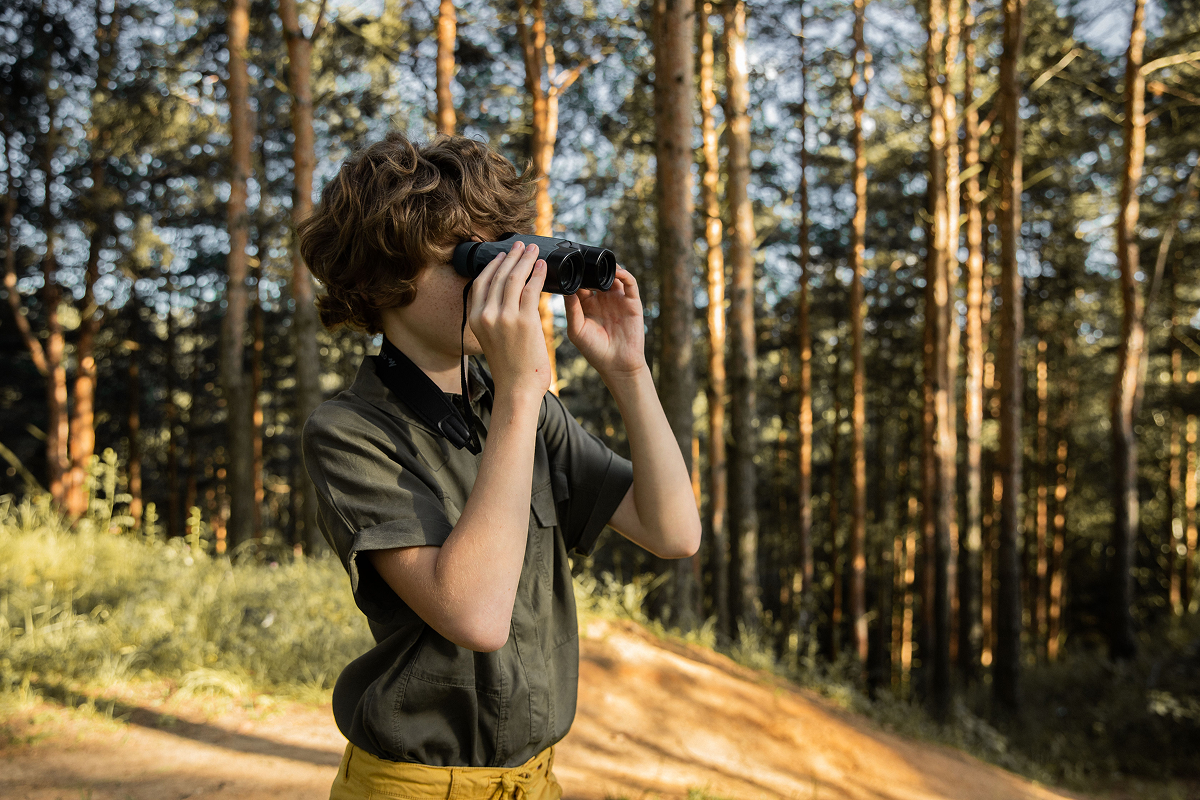
Use binoculars or zoom lenses; they let kids get a "close" look without approaching.
Stay on marked trails. Most wildlife encounters happen when people wander off trail.
If an animal approaches you, back away slowly and give it room.
How to Make Wildlife Spotting a Bigger Part of Your Trip
The families who see the most wildlife are the ones who slow down, go out early, and pay attention. Dawn and dusk are the prime windows for most mammals. Being quiet matters more than most people realize.
Building anticipation before the trip helps too. For kids who know what they're looking for before they arrive, spotting that first elk or bison feels like a real achievement. National park activity books with wildlife-focused challenges are a great tool for building that excitement at home in the weeks before you leave.
Check out parks with the best wildlife experiences on the NPS website for a broader list beyond what's covered here. And if you're still building your park itinerary, this guide to planning a national park road trip with kids covers how to sequence multiple destinations in a way that works for families.
Final Thoughts
US national parks give kids a front-row seat to wildlife that exists nowhere else in the world. Whether it's a bison herd in Yellowstone, a black bear in the Smokies, or a California condor circling above the canyon, these moments have a way of sticking. The key is knowing where to go, when to show up, and how to watch. Visit screen-free park adventures to find tools and resources that help families make the most of every park visit, from pre-trip prep to post-trip memories.
FAQs
What wildlife can kids most reliably spot at US national parks?
Bison at Yellowstone, black bears at Great Smoky Mountains, elk at Rocky Mountain, alligators at the Everglades, and wild horses at Assateague Island are among the most consistently spotted animals at US national parks. Early morning visits and quiet observation dramatically improve sighting chances for any species.
Which US national park has the best wildlife viewing for families?
Yellowstone National Park is widely considered the top destination for family wildlife viewing. Bison, wolves, elk, grizzly bears, and pronghorn are all regularly spotted. The Lamar and Hayden valleys are especially productive. Great Smoky Mountains is a close second for reliability and accessibility.
What are the top three kid-friendly national parks for wildlife?
Yellowstone, Great Smoky Mountains, and Rocky Mountain National Park top most lists for kid-friendly wildlife experiences. All three have accessible viewing areas, easy trails, strong visitor facilities, and animals that are reliably present throughout the warmer months.
Where can families see bison and wolves together in the US?
Yellowstone National Park is the best answer. Lamar Valley is famous for wolf sightings, and bison herds fill the valley year-round. Going at dawn with binoculars gives you the best shot at seeing both species in a single morning. Bring layers, it's cold even in summer at that hour.
What animals can you see in a national park on a typical visit?
It depends on the park, but most visitors see deer, birds of prey, squirrels, and various shorebirds or songbirds on any given day. With luck and early starts, larger mammals like elk, bears, or bison become realistic. The NPS offers species checklists for every park so you can see exactly what's present before you visit.
Is it safe to watch wildlife in national parks with kids?
Yes, as long as families follow the distance rules. Stay at least 25 yards from most animals and 100 yards from bears and wolves. Never feed wildlife, never approach animals for photos, and always let animals move on at their own pace. Kids who learn these rules early tend to become excellent wildlife watchers.
What are the best must-visit nature spots in the US for families?
Yellowstone, Great Smoky Mountains, Everglades, Rocky Mountains, and Assateague Island are all outstanding family nature destinations. Each offers a distinct ecosystem and a different cast of wild animals. Wonder Park Family has activity guides for several of these parks that help kids stay engaged with what they're seeing throughout the visit.
Which national park has the greatest variety of wildlife in the world?
Yellowstone is often cited as one of the most wildlife-rich parks in the world, with over 67 mammal species, hundreds of bird species, and the largest concentration of geothermal features on Earth. The Everglades is also remarkable for reptile and bird diversity. Both are genuinely world-class wildlife destinations.
What's the best time of year to see wildlife at US national parks?
Spring and fall are generally the most productive seasons. Spring brings newborn animals and active behavior after winter. Fall triggers elk ruts at Rocky Mountain and other parks, and migrating birds move through in large numbers. Summer is the busiest season but still excellent for most wildlife viewing.
Where are the best places in the US to see wildlife outside of national parks?
National wildlife refuges like Bosque del Apache in New Mexico and Chincoteague in Virginia offer spectacular wildlife viewing. State parks in Florida, Texas, and Montana are also outstanding. That said, the national park system remains the most accessible and reliably rewarding network for family wildlife experiences across the country.