
National Parks on a Budget: How to Plan a Family Trip
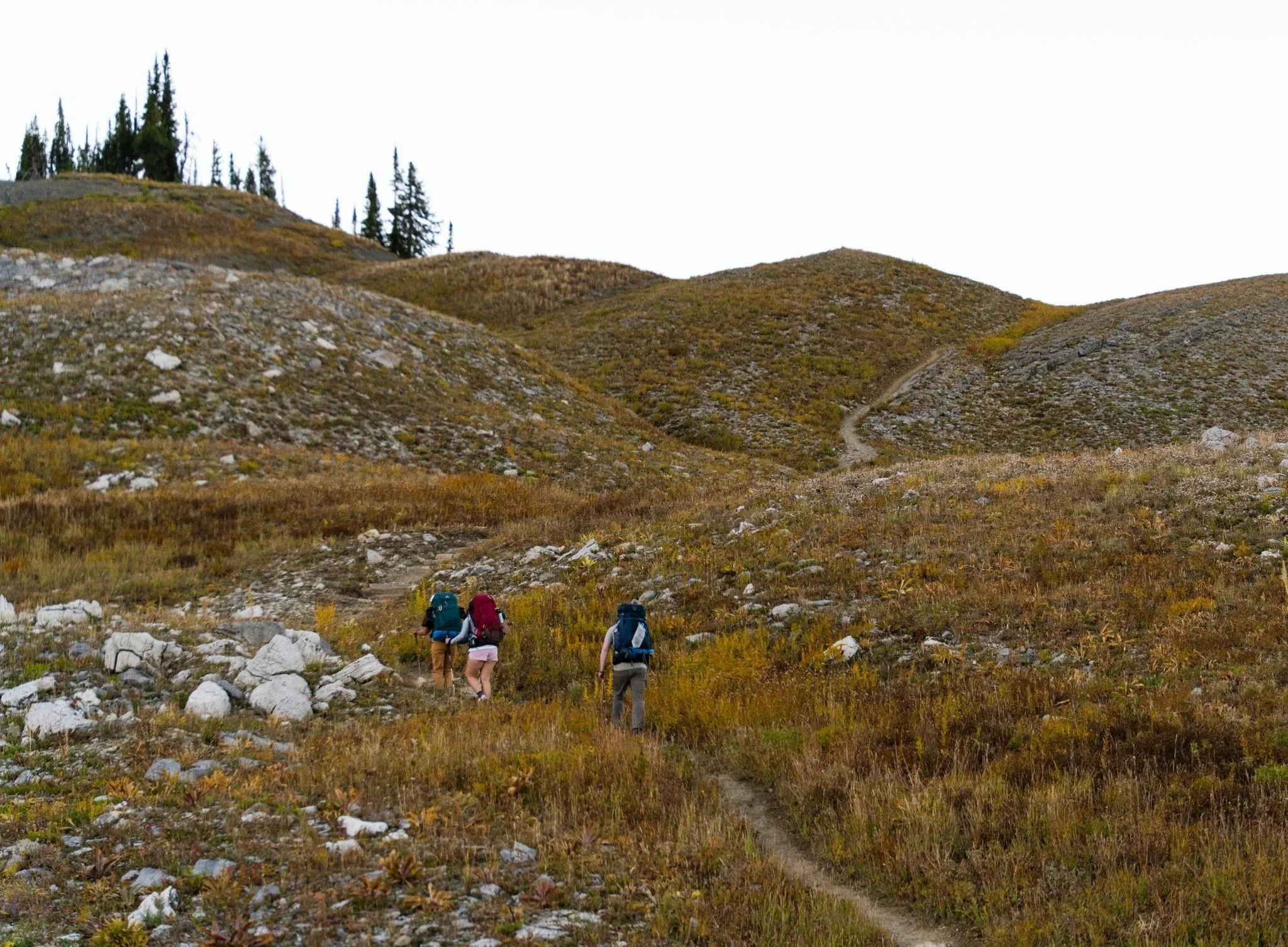
National park trips have a reputation for being expensive. Between entrance fees, gas, food, and lodging, costs can feel like they're stacking up before you've even packed the car.
But planning national parks on a budget is entirely doable, and it's more straightforward than most families expect. The real advantage is that the savings opportunities are already built into the system, you just need to know where to look.
Start with the America the Beautiful Pass
For any family visiting national parks, the America the Beautiful Pass is the smartest first investment you can make. At $80 for US residents, it covers entrance fees for the entire vehicle at more than 2,000 federal recreation sites across the country. That includes national parks, wildlife refuges, and national forests for a full year from the month of purchase.
Most families break even after visiting just two or three parks. The full pass details and pricing are worth reviewing before your trip, especially if you're planning multiple stops on a budget road trip. The pass is now available digitally through recreation.gov, so you can purchase it before you leave home and pull it up on your phone at the gate.
If you're 62 or older, the Senior Pass runs $20 a year or $80 for a lifetime. Active military members and their dependents qualify for a free annual or lifetime pass. These options make the America the Beautiful annual pass one of the most flexible budget tools in family travel.
Plan Around Free Entrance Days
Every year, the National Park Service sets aside several fee-free days when entrance is waived for US citizens and residents. These are worth building your itinerary around if you're visiting parks that normally charge $20 to $35 per vehicle. The complete list of free entrance days by park is updated annually and easy to check before you finalize your dates.
One thing to keep in mind is that free entrance days tend to draw bigger crowds. Arriving early and having a backup trail or area in mind goes a long way. Also, remember that free entrance covers the gate fee but not camping, tours, or reservation-based timed entry. Those still require a separate booking.
It's also worth noting that more than 300 of the 400-plus national park sites in the country are free every single day. Choosing parks without entrance fees is one of the easiest ways to keep a family national park trip affordable without any special timing or passes required.
Camp Instead of Staying in Hotels
Lodging is typically the biggest cost on any national parks budget trip. Camping cuts most of it. Developed campgrounds in national parks average $20 to $30 per night, which is a fraction of nearby hotel rates during summer. Many parks also have primitive camping options that cost little to nothing for families willing to hike a short distance from a trailhead.

Free camping on Bureau of Land Management land just outside park boundaries is another solid option on a budget national park road trip. These sites often sit close enough to major parks to use as a base, without the campground competition or reservation stress.
Book early regardless of which route you take. Popular campgrounds in parks like Acadia and Shenandoah fill months in advance during peak season.
Pick Parks That Stretch Your Dollar Further
Not every national park comes with an entrance fee. Some of the most stunning places in the system are completely free to enter, including Great Sand Dunes, Congaree, Cuyahoga Valley, and White Sands. Building your budget family road trip around a mix of free and low-cost parks adds variety without pushing the overall cost up.
Timing also matters. Visiting in late April through early June or in September through October stretches your budget further. Campsite availability improves, crowds thin out, and wildlife activity is often at its peak. Fall in particular is one of the best kept secrets in family national park travel.
The Skyline Drive in October is one of the most scenic drives on the East Coast, and sites are far easier to book than they are in July. Families consistently report that an off-peak Shenandoah trip feels more relaxed and more memorable than a crowded summer visit.
Save on Food, Gear, and Getting There
Food is one of the most overlooked costs on national park trips. Restaurants near popular parks are almost always expensive and busy. Packing a cooler with prepared meals and snacks saves money on every single day of the trip.
Picnic areas are plentiful throughout most parks, and eating outdoors makes the whole experience feel more like an adventure anyway.
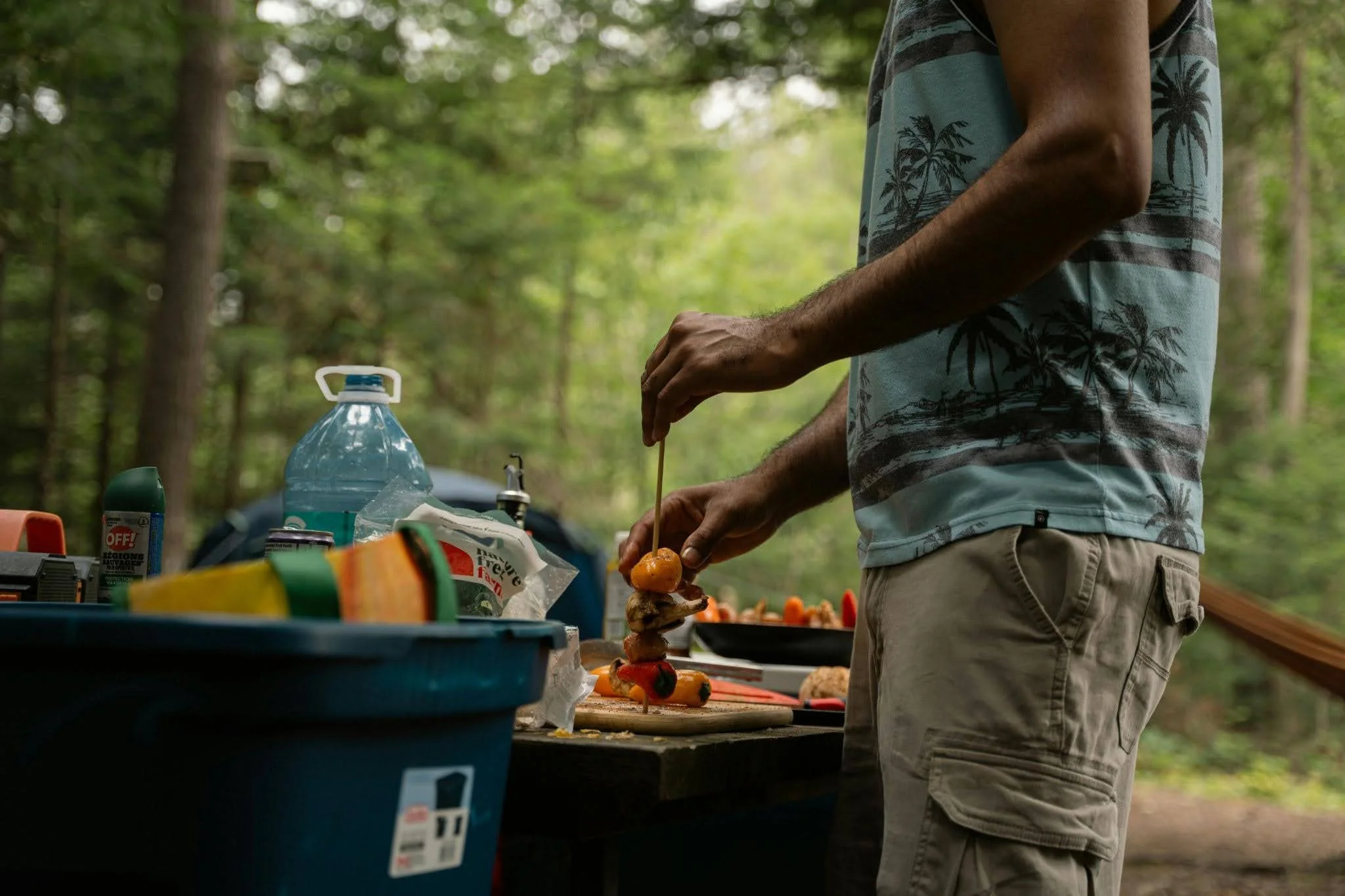
Gear doesn't need to be expensive. Most families need little more than good walking shoes, a water bottle per person, and a basic daypack to enjoy the vast majority of national park experiences. Borrowing or renting locally is a smart move for first-time visitors who aren't sure how much use they'll get out of specialized equipment.
For getting there, road trips naturally fit the national parks on a budget model better than flying. Driving lets you visit multiple parks on one trip, carry more gear without fees, and adjust the route as you go. One underrated way to stretch the budget further on a long drive is having something ready to keep kids engaged without relying on paid apps, streaming subscriptions, or in-car entertainment systems.
Wonder Park Family makes screen-free activity books packed with STEM projects, road trip games, creative art activities, and journaling prompts, a one-time purchase that covers the whole trip without any recurring costs.
A national park book bundle is an especially practical option if you're stopping at multiple parks, since one purchase preps kids for several destinations at once.
What a Kids' Activity Book Actually Saves You
Entertainment costs add up quietly on a long road trip. Tablet subscriptions, in-car movie rentals, and impulse stops to break up the restlessness all cost money that could go toward a better campsite or an extra park day. A screen-free activity book sidesteps most of that.
Kids who are genuinely busy with STEM projects, journaling, and road trip games tend to need fewer stops and less intervention from the front seat. That's not a small thing on a multi-day budget road trip through national parks.
Wonder Park Family builds each book specifically for the park your family is visiting, so the activities connect to real things kids will see and do rather than generic prompts that wear out after an hour.
Start Travelling Smart
A family trip to the national parks doesn't require a big travel budget, it requires a smart one. The passes, free entrance days, camping options, and park choices are already working in your favor.
You just have to plan around them. If you want to jumpstart the excitement for your kids with screen-free activity books built for the parks families visit most, Wonder Park Family is a solid place to start.
Frequently Asked Questions
What is the cheapest way to visit national parks?
The America the Beautiful Pass at $80 for US residents covers entrance at more than 2,000 federal sites for a full year. Combine it with free-entry parks, Bureau of Land Management camping, and shoulder-season timing for the most affordable national parks budget trip possible.
How much would it cost to visit every national park?
Visiting all 400-plus national park sites would cost tens of thousands of dollars in gas, food, and lodging over months of travel. The America the Beautiful Pass handles entrance fees. Most estimates for a comprehensive trip range from $20,000 to $30,000 for a family, depending on how long it takes.
How do I make a budget plan for a road trip with national park stops?
Start by listing your parks, estimating drive times, and identifying campground options at each stop. Book campsites early, pack food from home, get the America the Beautiful Pass, and target free-entry parks to fill gaps between bigger destinations on your national parks budget road trip.
How do I get a lifetime pass to national parks?
US residents aged 62 and older can purchase a lifetime Senior Pass for $80 through recreation.gov or in person at most national parks. Active military and veterans may qualify for a free lifetime pass. The standard America the Beautiful annual pass does not have a lifetime option for general visitors.
How can families travel to national parks on a budget?
Get the America the Beautiful Pass, camp instead of staying in hotels, visit free-entry parks, pack your own meals, and travel in shoulder season. These five moves alone can reduce a family national park trip cost by several hundred dollars compared to a peak-season, hotel-based approach.
How can families best plan an affordable trip to a national park?
Pick a park within driving distance, book a campsite at least two months out, check free entrance days for the year, and bring everything you need in a cooler. Simple preparation makes a bigger difference on cost than any gear purchase or travel hack.
How do I plan a road trip through national parks?
Map your route around parks that cluster geographically to reduce driving time and fuel costs. Alternate big-name parks with smaller, free-entry sites. Book campgrounds before you go, build rest days into the schedule, and give kids a say in at least one stop per day.
What is the best cross-country road trip for national parks?
The classic Southern Utah route hits Zion, Bryce Canyon, Arches, and Canyonlands in a compact area. The Pacific Coast route covers Redwood, Crater Lake, and Olympic. For families doing their first national parks budget road trip, a regional loop beats coast-to-coast for cost and manageability.
How long does a road trip to all national parks take?
Visiting all national park units would take at least a year of full-time travel, even if you moved quickly. Most families planning a budget national park road trip focus on a regional cluster of five to ten parks, which can be done meaningfully in two to three weeks, depending on drive distances.