
How to Raise a Kid Who Loves the Outdoors
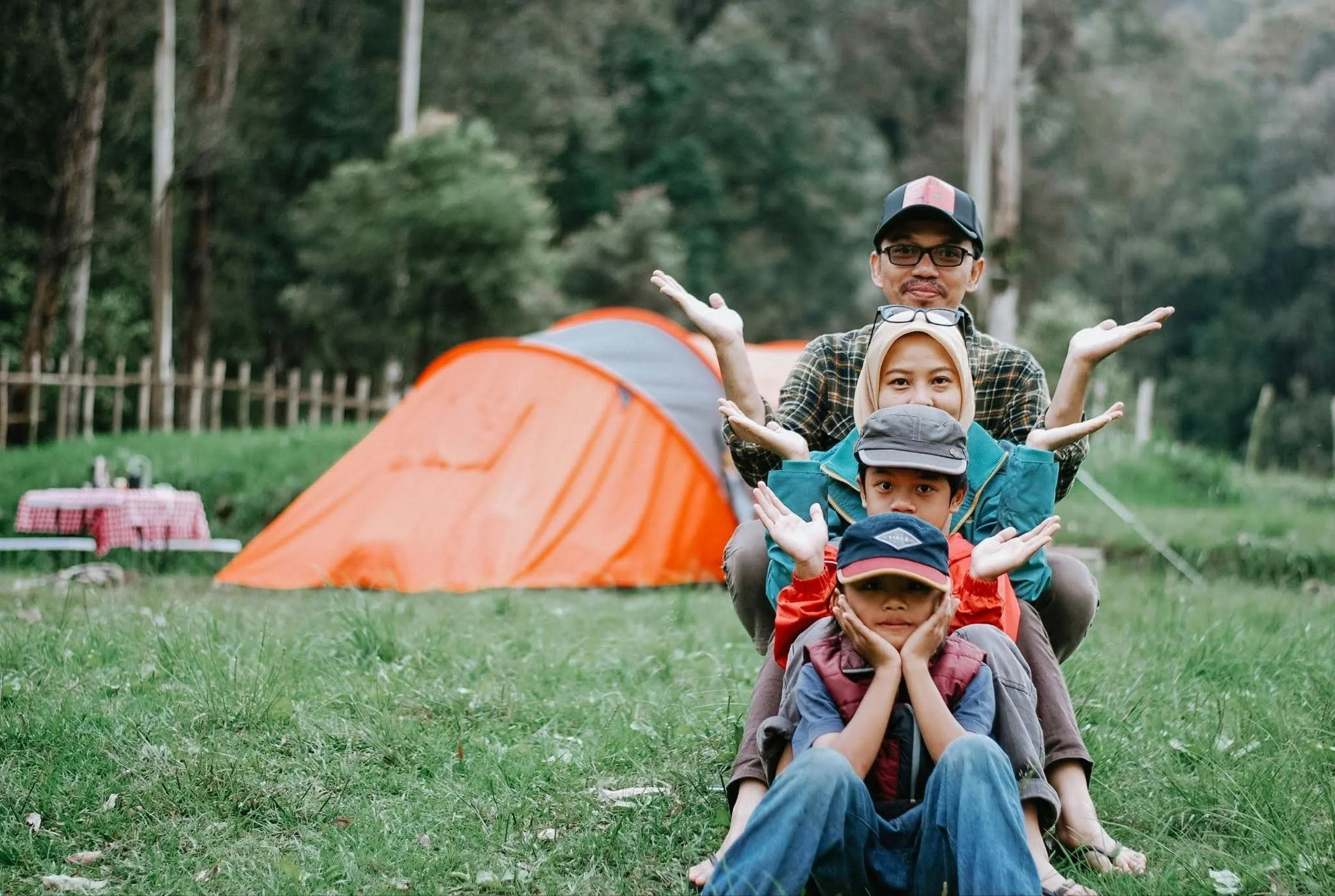
Most parents don't plan on raising kids who prefer screens to fresh air. It just kind of happens. Schedules fill up, habits form, and outdoor time quietly falls off the list.
But figuring out how to raise a kid who loves the outdoors is simpler than it sounds. It starts with small, consistent habits rather than a perfect setup.
Start Small and Start Early
The earlier you start, the easier it gets. Kids as young as two can build real outdoor curiosity when they get regular access to nature, even in small doses. A toddler poking at a mud puddle is already doing the work.
You don't need a national park or a scenic trail to get started. A backyard, a local green space, or even a tree-lined sidewalk will do. Frequency matters far more than setting, especially in the early years.
Let Kids Lead the Way Outside
Over-scheduling outdoor time is one of the most common parenting mistakes. When every trip outside comes with a goal or a lesson, kids start seeing nature as another adult agenda. Unstructured outdoor play is where a genuine love of the outdoors actually takes root.
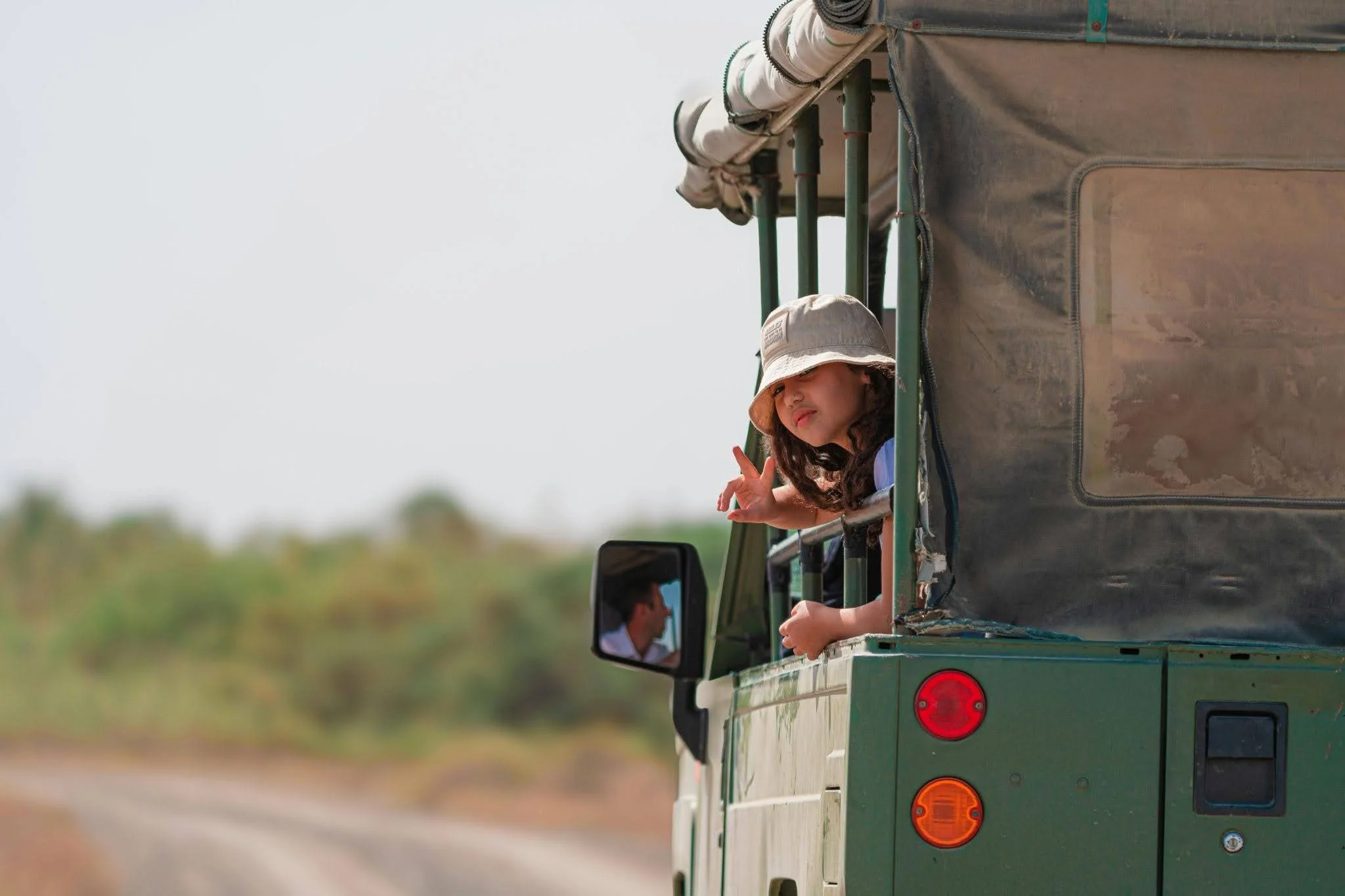
Let kids pick up sticks, dig in dirt, and follow whatever catches their eye. Studies on nature-based learning consistently link this kind of free-range nature play to creativity, resilience, and long-term well-being. You don't have to plan anything, just show up and step back.
Raising outdoor kids is largely about giving them permission to be bored outside. When there's no screen to fill the gap, kids start noticing things on their own. That's exactly where outdoor curiosity begins.
Make Outdoor Time a Family Thing
Kids follow their parents' lead more than most adults realize. If outdoor time is a regular part of your family's rhythm, it becomes normal to your kids too. A Saturday walk, a picnic, or a park visit after dinner all count.
Family trips to national parks tend to make a lasting impression. The scale of these places, including the trails, wildlife, and open skies, sticks with kids long after they're home. Families who arrive prepared tend to get a lot more out of the experience. A good park adventure book can turn even the car ride into something kids are genuinely engaged by.
Handle the "I'm Bored" Moments Like a Pro
"I'm bored" is not a failure outdoors. It's actually a promising sign. It means the distractions are gone and the brain is about to find something on its own.
The trick is giving kids just enough to spark interest without making it feel like school. A scavenger hunt, a nature journal, or a park-specific activity book all work well. Advice from a national park ranger captures the same idea: keep it flexible, follow the child's lead, and don't over-program the trip.
If you're heading somewhere bigger, a little prep goes a long way. The Wonder Park Family Rocky Mountain activity book is a solid example of a tool that builds excitement before you've even arrived at the trailhead. Let kids flip through it on the drive and pick one thing they want to find.
What to Do When You Live in a City
Living in a city doesn't mean raising disconnected kids. Urban parks, botanical gardens, nature centers, and riverwalks all count as outdoor time. What matters is making it regular, not making it epic.
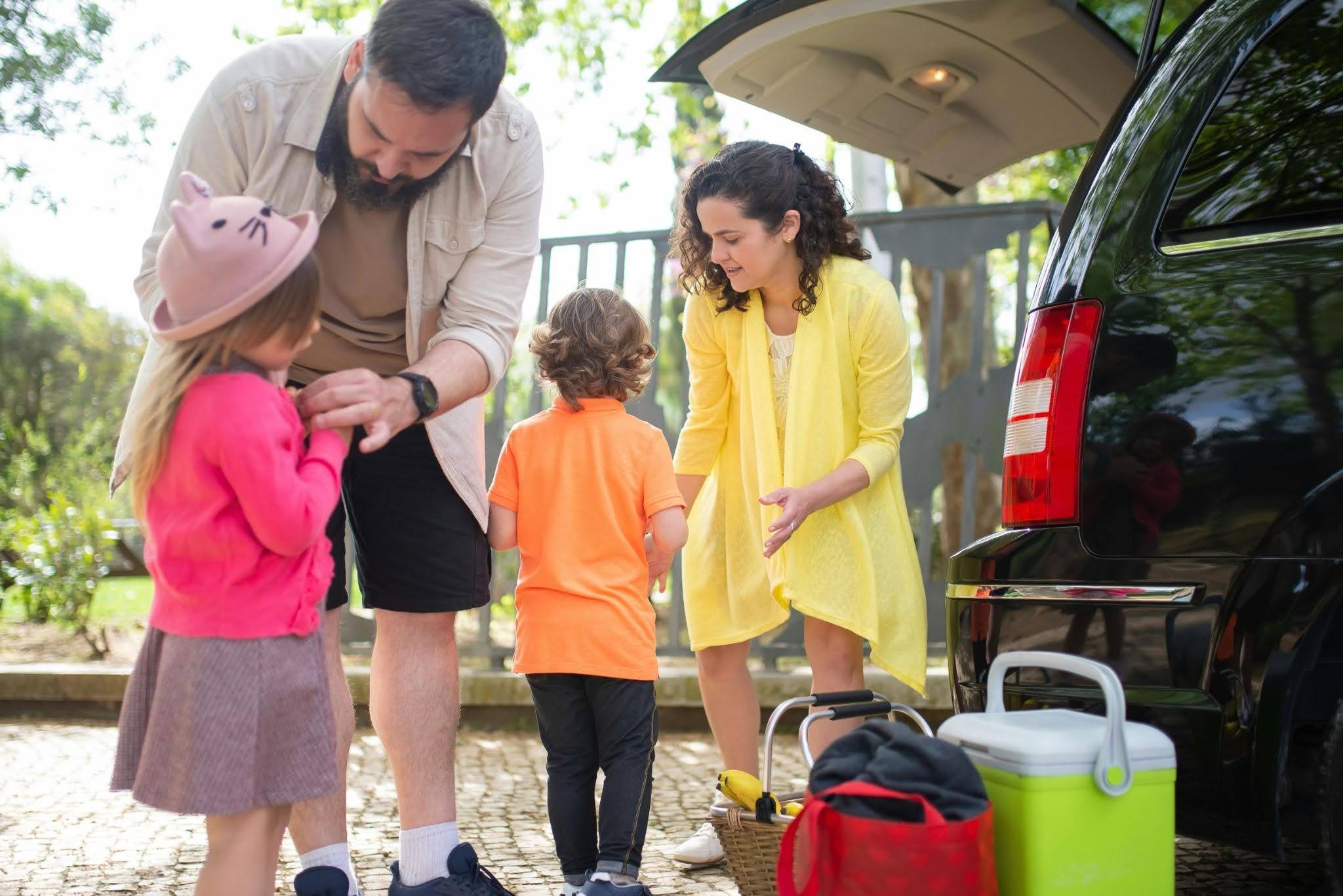
Tips for raising nature-loving kids in a city are often simpler than they sound. Swap one screen hour for a walk. Let kids grow something, even a small herb in a pot on the windowsill. Point out birds, bugs, and clouds when you're out running errands. These small habits build the foundation for bigger adventures later.
When city families are ready for their first national park trip, picking the right starting point matters. The Smokies are one of the most accessible and kid-friendly parks in the country. A Smoky Mountains adventure book by Wonder Park Family helps families make the most of every mile.
Start Simple by Adventure Guides
You don't need a mountain cabin or a background in camping to raise a kid who loves the outdoors. What you need is consistency, messy shoes, cold mornings, and all. The love builds in small moments that add up to something lasting.
If you're planning your next family trip, Wonder Park Family has screen-free activity books built for the parks families love most. These adventure guides will surely make them even more exciting to explore the great outdoors.
Frequently Asked Questions
How do you raise an outdoorsy kid?
Start early and keep it low-pressure. Regular outdoor time builds the habit over time. Let kids lead, follow their curiosity, and skip the heavy structure. Consistency matters far more than any single big trip or outdoor program.
How can parents encourage children to spend time outdoors?
Make outdoor time part of your weekly routine rather than a special occasion. Walk together after dinner, visit a local park on weekends, or replace one screen session with time outside. Habits formed at home are the ones that stick.
How do you raise nature-loving kids in a media-heavy world?
Replace screens with memorable experiences rather than lecturing about them. National park visits, nature journals, and hands-on outdoor activities tend to win kids over naturally. Kids who've had great outdoor experiences are usually the first ones asking to go back.
What is the 3-3-3 rule for kids?
Some outdoor educators use a 3-3-3 framework as a loose guide, three hours outside, three miles of movement, and connecting with three natural elements like water, dirt, or plants. It's a simple starting point for building outdoor habits in kids ages four and up.
How do you keep an outdoorsy lifestyle with kids?
Plan ahead, lower the bar, and stay flexible. Short, frequent outings beat rare, elaborate ones every time. Build outdoor time into your regular routine rather than saving it for vacations, and let kids choose the direction when you can.
What are some ways to encourage children to play outdoors instead of watching screens?
Create outdoor spaces that invite curiosity, loose materials, plants, things to build with. Give kids a simple prompt like a scavenger hunt or a nature journal. The goal isn't to eliminate screens but to make outside feel just as interesting.
How can I encourage my daughter to spend more time outside?
Connect outdoor activities to what she already loves. If she's into art, bring supplies to a park. If she likes animals, look for birds or bugs in the yard. Meeting kids where their interests are tends to work much better than an open-ended push to go outside.
Is city or country living better for raising kids who love nature?
Neither is a dealbreaker. City kids can grow up loving the outdoors just as much as rural kids. What matters is access and frequency. Urban parks, nature centers, and regular trips to green spaces all support a healthy outdoor relationship.
What is the best outdoor activity for kids ages 8 to 10?
Hiking short trails, birdwatching, nature journaling, and junior ranger programs at national parks all work well for this age group. Kids aged 8 to 10 are ready for more challenge and can start tracking and documenting what they find on their own.