
What Are Ranger-Led Programs and Are They Worth It for Kids?

Planning a national park trip with kids often comes down to one real concern. Will they stay curious long enough to actually enjoy it? Ranger-led programs are one of the most effective tools families have for making that happen. These guided activities, offered free through the National Park Service, turn a day outdoors into something kids genuinely remember.
What Is a Ranger-Led Program?
A ranger-led program is a structured activity hosted by a certified park ranger. It's open to all park visitors at no extra cost and covers a wide range of topics, from local geology to natural history.
Rangers aren't just knowledgeable about their parks. They're trained interpreters who make complex ideas feel accessible and exciting for visitors of any age. That's what separates a ranger talk from reading a trailside placard.
What Types of Ranger Programs Are Available?
Ranger programs come in more formats than most families expect. Here are the most common ones you'll find at parks across the country.
Guided nature walks take small groups along a trail while a ranger explains what they're seeing in real time. These walks cover plant identification, animal signs, and trail safety as you go.
Wildlife talks usually happen at a visitor center or outdoor amphitheater. Rangers explain local species, their behaviors, and how the surrounding ecosystem supports them.
Guided hikes for families go deeper into the park than a casual stroll. Rangers choose routes suited to different fitness levels and age groups so no one gets left behind.
Evening programs are a favorite among families camping inside the park. These sessions include stargazing, storytelling, and campfire discussions about the park's natural and cultural history.
Hands-on educational activities give kids a direct role in the experience. Think animal track identification, water testing, or journaling prompts about what they've spotted on the trail.
Pairing these sessions with a Smoky Mountains adventure guide gives kids a structured, screen-free way to document everything they find in the field.
Why Ranger-Led Programs Are Good for Kids
Kids learn by doing, not by walking past information boards. Ranger-led programs put kids inside the experience rather than on the sideline.
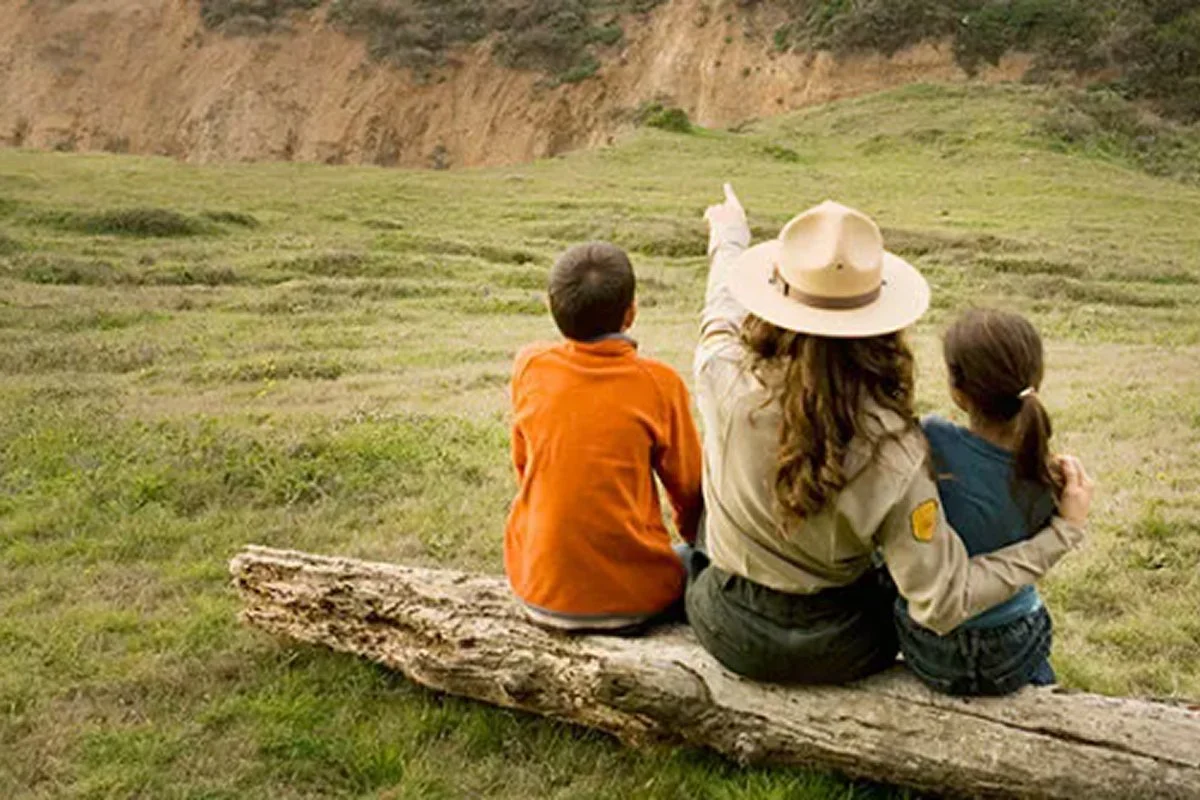
Outdoor learning experiences also improve memory retention. When a ranger shows a child a real animal track and explains what made it, that moment sticks. A textbook covering the same topic rarely delivers the same result.
Ranger programs also keep children engaged during longer visits. Without something purposeful to do, even a beautiful trail can turn into a countdown to the parking lot. A guided activity gives kids a clear reason to look around and ask questions.
The Junior Ranger Program
The Junior Ranger program is one of the most beloved offerings in the national park system. It's available at hundreds of parks across the United States and works across a wide range of ages.
Kids pick up a booklet at the visitor center, complete age-appropriate activities during their visit, and return it to a ranger to earn an official Junior Ranger badge. Activities vary by park. Some involve spotting wildlife or plants. Others include drawing, journaling, or completing simple science challenges.
Parks like Acadia offer particularly engaging Junior Ranger activities, with tidal zone observation and coastal wildlife exploration built directly into the program. You can find the full list of participating parks through the official Junior Ranger page.
Tips for Getting the Most Out of Ranger Programs

Check the park's event calendar before you arrive. Many ranger-led programs run on a set schedule, and popular sessions fill up fast during peak season.
Arrive a few minutes early. Rangers start on time, and the opening of a program usually sets up everything that follows.
Let kids ask questions. Rangers genuinely enjoy curious visitors, and a good question from a child can take a session somewhere unexpected and memorable.
Pick up the Junior Ranger booklet as soon as you walk into the visitor center. Using it during ranger-led activities gives kids a clear purpose and keeps them focused throughout the day. You can also check which parks run the program through this guide to parks with Junior Ranger programs before your trip.
Ranger Programs Are Worth Every Minute
Ranger-led programs are one of the most underused resources in American family travel. They're free, thoughtfully designed, and genuinely effective at turning a park visit into something kids talk about for weeks.
If you want to carry that energy beyond the ranger talk, Wonder Park Family creates screen-free activity books built for national park adventures. Each guide is packed with STEM projects, road trip games, creative art activities, and journaling prompts that keep kids curious from the trailhead to the drive home. The Rocky Mountain adventure guide is a great place to start for one of the country's most ranger-active parks.
Frequently Asked Questions
What is a ranger-led program?
A ranger-led program is a free, guided activity hosted by a National Park Service ranger. It can include nature walks, wildlife talks, guided hikes, or campfire programs. These activities help visitors of all ages connect meaningfully with the park they're visiting.
Are ranger-led programs good for kids?
Yes. They're hands-on, engaging, and age-appropriate. Ranger programs keep children actively involved throughout the visit by giving them something purposeful to observe, participate in, and ask questions about rather than simply watching from a distance.
What is the Junior Ranger program?
The Junior Ranger program is a National Park Service initiative where kids complete activities from a park-specific booklet and earn an official badge. It's available at hundreds of parks across the US and is designed to be enjoyable for children of all ages.
Where is the Junior Ranger program available?
The Junior Ranger program is offered at most units of the national park system throughout the United States. Kids can pick up a booklet at the visitor center. The NPS website also lists all participating parks for families who want to plan ahead.
What is a park ranger for kids?
A park ranger is a trained professional who manages, protects, and interprets national parks for the public. For kids, rangers serve as guides and educators who make the natural world easier to understand and genuinely exciting to experience firsthand.
Why are park rangers called rangers?
The term comes from the idea of someone who ranges across or patrols a wide territory. Park rangers manage and patrol large natural areas, making the name a fitting reflection of their role in protecting and stewarding public lands.
What are the different types of park rangers?
There are two main categories. Law enforcement rangers patrol the park and enforce regulations. Interpretive rangers lead educational programs and help visitors connect with the park's natural and cultural stories. Many parks employ both.
How do kids earn ranger badges?
Kids pick up a Junior Ranger booklet at the visitor center, complete the activities during their visit, and return the booklet to a ranger or staff member. Once verified, they're sworn in as a Junior Ranger and receive an official badge to keep.
What are the benefits of outdoor learning experiences for children?
Outdoor learning builds observation skills, encourages curiosity, and improves memory retention. Research shows kids who learn outside tend to stay more engaged and retain information longer than they do in a traditional classroom setting.
What age group are ranger-led programs designed for?
Most ranger-led programs welcome visitors of all ages. Some are tailored for younger children, while others suit school-age kids or the whole family together. Checking the park's event calendar before you arrive helps you find the best fit.