
Is the Grand Canyon Safe for Families with Young Children?

Yes, the Grand Canyon is safe for families with young children — but it requires real preparation and constant supervision near the rim. Millions of families visit the South Rim every year with toddlers and young kids in tow, and the vast majority have an incredible time. The key is knowing which areas work well for little ones and which ones demand extra caution.
What Makes the Grand Canyon Safe for Families
The South Rim is the most family-friendly section of the park by a wide margin. It has paved trails, free shuttle buses, visitor centers, restaurants, and restrooms positioned at regular intervals. Much of the rim experience doesn't require hiking at all, which makes it genuinely accessible even with a stroller or a child who tires quickly.
That said, the Grand Canyon is a natural environment with unfenced drop-offs in many areas. Parents of toddlers need to treat every moment near a cliff edge as a moment that requires hands-on supervision. That's not a reason to stay home. It's just a reason to plan thoughtfully.
The Rim Trail Is Your Best Friend
The Rim Trail is the single most important feature for families visiting the Grand Canyon with young children. It runs 13 miles along the South Rim, is mostly paved, and connects all the major viewpoints and shuttle stops. Many sections are stroller-friendly and relatively flat.
You don't need to walk all 13 miles. Most families pick a one to two-mile section, ride the free shuttle between stops, and build their day around short walks with big views. That approach works beautifully with toddlers and keeps the day manageable for everyone.
Safe Trails for Young Children at the South Rim
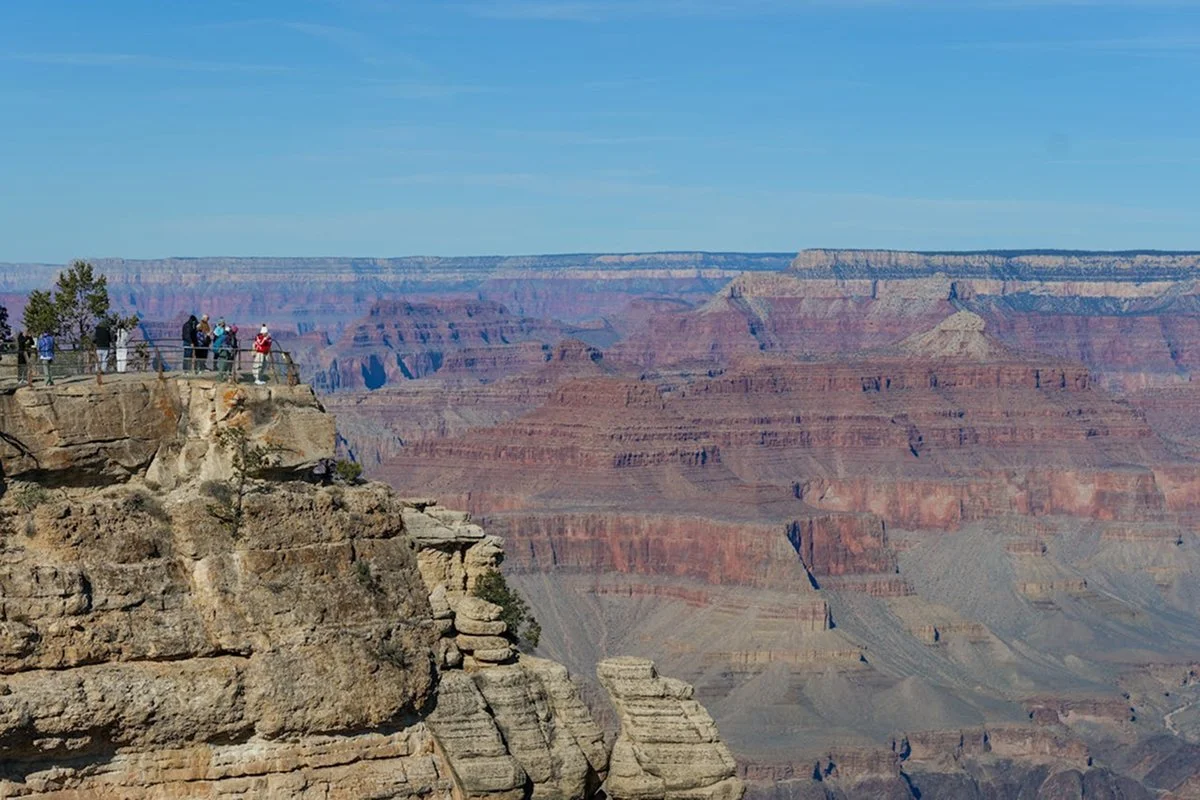
A few specific trails and stops stand out as the most family-friendly on the South Rim.
Mather Point (0.5-mile paved loop). This is most families' first stop, and for good reason. The paved path is flat, the views are stunning, and railings are in place at the main overlook. It's stroller-friendly and well within reach of the visitor center and its restrooms.
Trail of Time (2.83 miles, fully paved) This flat, paved path doubles as an outdoor geology museum with rock samples embedded at toddler height. Walk as much or as little as you like. It's fully stroller accessible and one of the most educational easy walks in any national park in the country.
Yavapai Point and Geology Museum: A short walk from the visitor center leads to outstanding canyon views and a free indoor museum with picture windows facing the canyon. It's an ideal stop when energy is flagging or temperatures climb.
For a full picture of safe trails for children at the South Rim, the Grand Canyon safety and planning guide from the NPS covers current conditions, hazards, and practical tips worth reading before you visit.
Honest Talk About Cliff Edges and Young Kids
This is the part most travel guides gloss over, so it's worth being direct. Some viewpoints along the South Rim have low barriers or no barriers at all. The drop is nearly a mile. Young children who dart ahead or climb on rocks near the edge create real danger.
The practical response isn't fear — it's structure. Keep toddlers in the stroller or in your arms at any open viewpoint. Have older young children hold hands near the rim. Establish a clear rule before you arrive and stick to it. The fenced viewpoints, like Mather Point, are a good starting place while kids learn what the expectations are.
None of this makes the Grand Canyon unsafe for young children. It makes it a place that rewards parents who go in with clear expectations and consistent supervision.
What to Do at the Grand Canyon Beyond the Rim
The South Rim has more to offer families than just the views. The Grand Canyon Visitor Center has hands-on exhibits suited to young kids. The Yavapai Geology Museum is free and climate-controlled, which matters during summer afternoons. The free shuttle system itself is a genuine highlight for toddlers who love buses and big windows.
The Grand Canyon junior ranger program is available for ages four and up and gives kids a structured way to engage with the park beyond just looking at the view. They pick up a booklet at the visitor center, complete activities during their visit, and earn a badge from a park ranger at the end. It's one of the best free programs in any national park.
If your family is planning a broader Southwest road trip, the Zion adventure guide from Wonder Park Family is a great companion for the drive. Zion is a natural next stop after the Grand Canyon and pairs well with young kids who love the red rock scenery.
Practical Tips for Visiting with Young Children
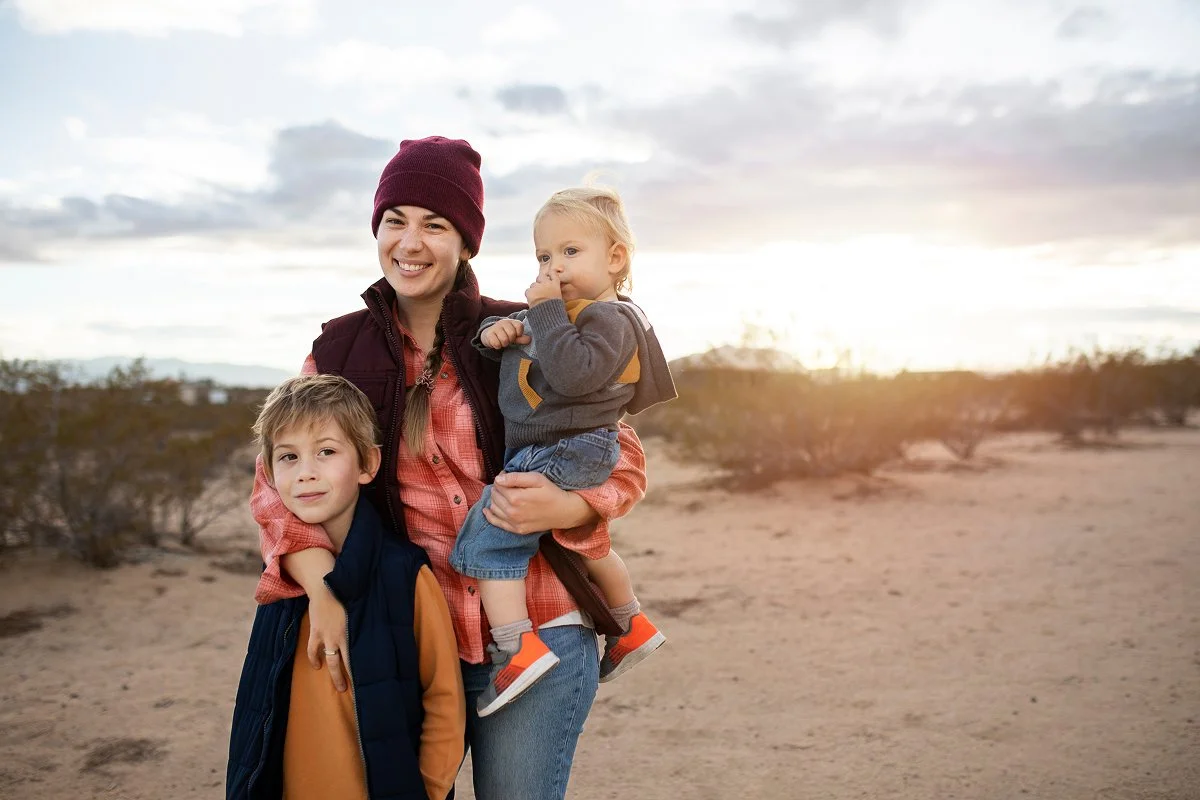
A few things make a meaningful difference on the day.
Arrive early. The South Rim gets crowded fast, especially in summer. Getting there before 8 a.m. gives you calmer viewpoints and easier parking. Water is essential at 7,000 feet of elevation, even when it doesn't feel hot. Bring more than you think you'll need and offer it to kids regularly.
Summer midday temperatures on the rim regularly hit the upper 80s and 90s. Younger children are more vulnerable to heat fatigue than adults realize. Plan active time for early morning and use the indoor museum stops during the hottest part of the day.
For families visiting from sea level, the elevation alone can cause fatigue on the first day. Build in more downtime than you think you'll need, and don't overload the itinerary.
Preparing Kids Before the Trip Makes a Real Difference
What makes the Grand Canyon safe for families with young children isn't just physical preparation — it's mental preparation. Kids who arrive knowing what they're going to see, what the rules are near the rim, and why those rules matter are far easier to manage in the moment.
The Grand Canyon activity guide from Wonder Park Family walks kids through the geology, wildlife, and history of the canyon before and during the trip through hands-on activities. It's currently sold out, but worth checking back on. Families heading to the East Coast can also pack the Acadia adventure guide if Maine is on the itinerary.
For families building out their full travel plan, Wonder Park Family has screen-free guides designed to make every national park visit more meaningful for kids of all ages.
FAQs
Is the Grand Canyon safe for families with young children?
Yes, with the right preparation. The South Rim has paved stroller-friendly trails, fenced viewpoints, free shuttle buses, and family amenities throughout. The main safety consideration is constant supervision near unfenced cliff edges, especially with toddlers who move quickly and unpredictably.
Is the Grand Canyon kid-friendly?
Very much so on the South Rim. The visitor center, junior ranger program, Trail of Time, Rim Trail, and free shuttle system all work well for young children. Families don't need to hike into the canyon to have a full, rewarding day with kids of any age.
Is it safe to bring a baby to the Grand Canyon?
Yes, especially if you stick to paved areas and keep babies in a stroller or carrier near rim viewpoints. The Rim Trail is stroller-friendly along most of its length. Choose viewpoints with railings for any section where the baby might be held close to the edge.
Is it safe to hike the Grand Canyon with a toddler?
Along the Rim Trail and Trail of Time, yes. These paved, mostly flat routes work well for strollers and young walkers. Descending into the canyon on trails like Bright Angel is not recommended for toddlers due to heat, steep terrain, and the long climb back out.
What are the best things to do at the Grand Canyon with young kids?
Walk a section of the Rim Trail, visit the Yavapai Geology Museum, ride the free shuttle between viewpoints, and complete the junior ranger program. Mather Point is the most accessible viewpoint for families and a great first stop for young children.
How much time should families set aside for the Grand Canyon with young kids?
A full day covers the South Rim highlights comfortably for most families. Plan for three to four hours of active time in the morning, a midday rest during peak heat, and a late afternoon return to the rim for the light. Two days allow for a slower pace and more flexibility with naps and meals.
What is the best way to explore the Grand Canyon with young children?
Use the free shuttle system as the backbone of your day. Hop between viewpoints in short stretches rather than walking long distances in the heat. Keep kids in the stroller or arms near the rim, and build in the visitor center and junior ranger program as structured indoor activities.
What should families not miss at the Grand Canyon with kids?
Don't skip Mather Point for the first big view, the Trail of Time for a paved educational walk, and the junior ranger program at the visitor center. The free shuttle ride itself is a highlight for young kids. The Yavapai Geology Museum is a great indoor option for the hottest part of the day.
What is the best time of year to visit the Grand Canyon with young children?
Spring and fall offer the most comfortable conditions for families. March through May and September through November bring mild rim temperatures, fewer crowds, and more comfortable hiking conditions. Summer is busy and hot on the rim, though still doable with early morning starts and indoor breaks.
Can you do the Grand Canyon in one day with kids?
Yes. The South Rim's compact layout and free shuttle system make a one-day family visit very achievable. Start early at Mather Point, ride the shuttle to a few viewpoints, do the Trail of Time, and finish with the junior ranger program. It's a full and memorable day without overloading young travelers.
The Grand Canyon Is Worth It When You Plan It Right

The South Rim rewards families who arrive with a clear plan, realistic expectations, and the right gear for young kids. Short paved trails, free shuttles, and fenced viewpoints make it far more accessible than most parents expect before they get there. The junior ranger program gives kids a goal to chase all day, and the canyon itself does the rest.
If you want to build that excitement before you even leave the driveway, Wonder Park Family has screen-free adventure guides designed to get kids genuinely curious about every park on your list.