
What Preschool Activity Books Are Best? Parent-Approved Picks

The best preschool activity books are those that match your child's age, build core skills, and keep them genuinely engaged. Not just busy.
There are hundreds of options out there, from tracing books and puzzle pads to wipe-clean workbooks and sticker sets. This guide helps you choose smarter, not just buy more.
What Makes a Preschool Activity Book "The Best"?
Popularity isn't the same as quality. A book that tops a bestseller list might not be right for your child's current skill level.
The best books share a few key traits. They build on each other, mix activity types, and give kids just enough challenge to stay interested without getting frustrated.
Here's what to look for before you buy.
Age-appropriate difficulty that matches where your child actually is right now
Skill progression so activities build on each other rather than repeating randomly
A variety of formats like tracing, puzzles, matching, and drawing
Reusability, especially valuable for younger children who benefit from repetition
An engagement factor, meaning your child genuinely wants to come back to it
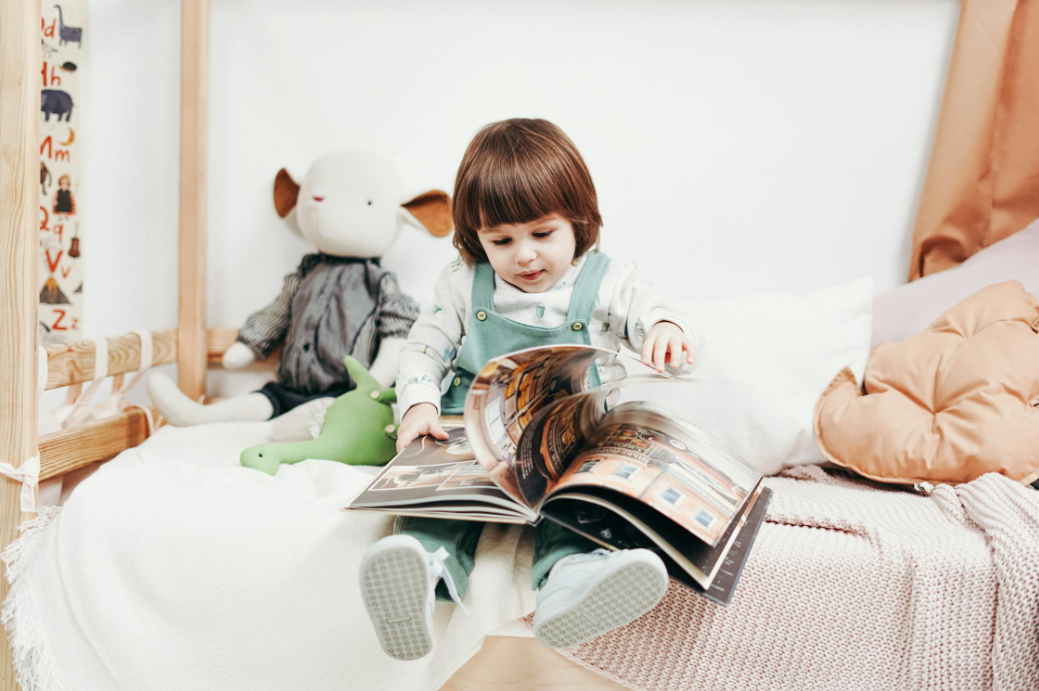
Best Preschool Activity Books by Category
Different children engage differently. Some thrive with structured tracing exercises while others stay hooked through stickers and visual puzzles. Here's a breakdown by category to help you match the book to your child.
Best for Fine Motor Skills
Fine motor skills practice is where most preschool books start, and for good reason. Tracing lines, cutting shapes, and controlled coloring all build the hand strength kids need before they start writing.
Look for books with clear, progressive tracing paths that move from simple lines to curves and eventually letters. Pre writing skills development works best when difficulty increases gradually across the book.
Best for Cognitive Skills and Puzzles
Mazes, matching games, and hidden picture pages give young minds a real workout. Problem solving puzzles for kids at this age don't need to be complex to be effective.
The best books in this category layer difficulty across pages. Easy puzzles early on build confidence, and harder ones later keep things interesting.
Best All-in-One Workbooks
All-in-one books cover math, reading readiness, shapes, and creative tasks within a single volume. They're a practical choice for parents who want broad preschool readiness skills covered without buying a dozen separate books.
The tradeoff is depth. These books offer variety but rarely go deep on any single skill area.
Best Wipe-Clean and Reusable Books
Wipe clean activity books are a smart investment for toddlers who benefit from doing the same activity multiple times. Repetition is actually how early learning sticks at this age.
Reusable learning books also hold up better through younger siblings, making them a practical choice for families with kids at different developmental stages.
Best Sticker and Interactive Books
Sticker activity books tend to have the highest engagement for children aged 2 to 4. The physical act of placing stickers, matching them to outlines, or completing scenes keeps little hands busy and focused.
They're not the deepest learning format, but they work well for building early literacy development through visual association and context.
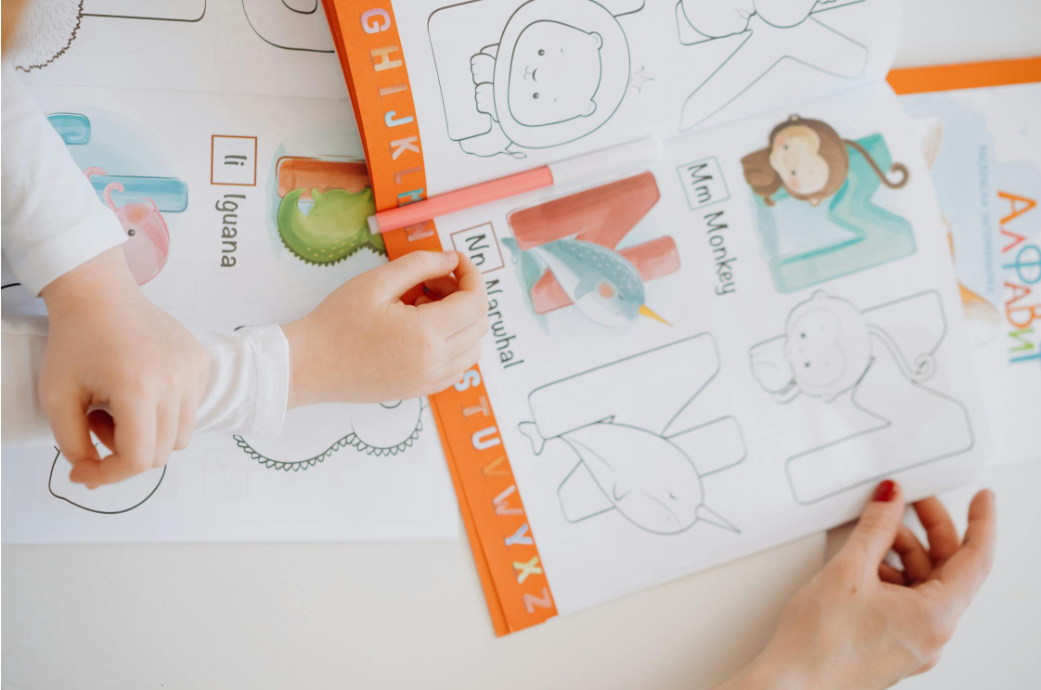
Best Activity Books by Age
Ages 2 to 3
At this stage, keep it simple. Hands-on learning for toddlers works best when activities involve big shapes, bold colors, and basic matching tasks.
Avoid books with small details or complex instructions. Short attention spans are normal at this age, so variety within a single session matters more than depth.
Ages 3 to 4
This is where you can introduce number recognition activities, letter tracing, and simple shape sorting. Most children at this age are ready to follow short illustrated instructions.
Look for books that introduce early literacy development gently without pushing toward full reading readiness too soon.
Ages 4 to 5
By age 4, many children are ready for age appropriate workbooks that cover basic math concepts, phonics awareness, and more detailed drawing tasks.
Preschool readiness skills like letter recognition, number sequencing, and pattern completion are all fair game at this stage.
Common Mistakes Parents Make
Even well-intentioned parents fall into a few predictable traps when buying preschool books. The most common one is buying books that are too advanced. A frustrated child won't return to a book no matter how well-reviewed it is.
Here are a few other patterns worth avoiding.
Prioritizing quantity over quality and ending up with a pile of half-finished books
Expecting children to use books independently before they're developmentally ready
Using activity books as a babysitter rather than a guided activity
Ignoring your child's actual interests when picking themes
How to Choose the Right Book
Start with your child's current skill level, not their age on paper. Some 4-year-olds are ready for early academic content while others are still building core motor skills.
From there, think about what keeps your child engaged. A child who loves nature will stay with an outdoor-themed book far longer than a generic one. Interactive preschool activities tied to real-world themes tend to outperform abstract formats every time.
For families who love outdoor adventures, nature-based kids activity books give children something meaningful to engage with beyond the page, especially when they're tied to places the family has actually visited.

Are Workbooks Enough for Preschool Learning?
Activity books are excellent structured practice tools. But they have real limitations worth understanding before you rely on them too heavily.
They don't offer real-world interaction, social learning, or physical exploration. A child who traces a butterfly in a workbook has practiced fine motor skills, but a child who spots one on a trail has learned something that sticks differently.
If you're weighing options, it helps to first ask whether kids activity books are worth it at all for your child's age and learning style before committing to a full preschool collection. You can also read more about how play supports early learning to get a fuller picture of how young children develop best.
Why Expert-Curated Learning Experiences Work Better
There's a meaningful difference between a generic activity book and one designed by educators with a clear learning path in mind. Expert-curated books are built around specific developmental goals, tested with real children, and structured so skills build on each other throughout.
The result is better engagement, higher retention, and a child who actually wants to finish the book. That's the gap most parents don't realize exists until they've bought a few disappointing options first.
Families planning a national park trip often find that a purpose-built Rocky Mountain guide for kids children engaged in a way a generic workbook simply can't match.
Combine Books with Real-World Adventures
The smartest approach is to use activity books as a starting point rather than a standalone solution. Pair them with outdoor exploration, guided family activities, and real experiences that reinforce what's on the page.
Research consistently shows that children learn more deeply through hands-on play when it's connected to something they've experienced in the real world.
Wonder Park Family's screen-free guides for families are built around America's national parks and designed to give children something to engage with before, during, and after every trip. For families heading to the Southwest, the Grand Canyon activity book is a parent favourite for getting kids genuinely invested in the experience ahead of time.
The Bottom Line
There's no single answer to what preschool activity books are best. The right choice depends on your child's age, current skill level, and what genuinely holds their attention.
What matters most is choosing books with intention and treating them as one part of a broader approach to preschool learning skills. When books are paired with hands-on play and real-world adventures, kids get far more out of every page.
Frequently Asked Questions
What is the best preschool activity book for a 3-year-old?
The best book for a 3-year-old focuses on simple tracing, color and shape recognition, and basic matching. Look for bold visuals, short tasks, and progressive difficulty. Wipe-clean formats work especially well at this age since repetition supports early skill building effectively.
Are workbooks good for preschoolers?
Yes, when used correctly. Workbooks build structure, fine motor skills, and early academic readiness. They work best as guided activities rather than independent tasks and are most effective when paired with hands-on play and real-world experiences outside the home.
What skills should preschool activity books teach?
Good preschool books cover fine motor skills practice, number recognition activities, early literacy development, shape sorting, and basic problem solving. The best ones build these skills progressively rather than repeating the same difficulty level throughout the entire book.
How many activity books should a preschooler have?
Two or three at a time is a practical number. Too many choices can feel overwhelming, and rotating a small selection keeps things fresh. Adding one new book every few weeks gives children something to look forward to without creating clutter.
Are wipe-clean books better than regular ones?
They're better for certain purposes. Wipe clean activity books are ideal for repetition-based learning, which is how young children build mastery. Regular books work well for skill progression over time. A mix of both formats gives children the benefits of each approach.
Do preschoolers actually learn from activity books?
They do, especially when an adult sits with them during the activity. Books build focused attention, fine motor coordination, and early academic concepts. The key is matching the book to your child's current level and treating it as a shared activity rather than independent work.
What's the difference between activity books and workbooks?
Activity books include a wider variety of formats like stickers, drawing, and puzzles, while workbooks focus more on structured academic tasks. Both support preschool readiness skills, but activity books generally hold younger children's attention longer due to their variety.
How do I know if a book is age-appropriate?
Check the recommended age range, then test one or two pages with your child. If they finish easily without help, the book may be too simple. If they get frustrated quickly, it's likely too advanced. The right book should feel challenging but very achievable.
Should I choose themed or skill-based books?
Both work well, and the best choice depends on your child. Themed books tied to a child's interests generate more excitement and longer engagement. Skill-based books are better for targeting specific developmental gaps. Mixing both types gives you the benefits of each approach.
Can activity books replace preschool learning?
No, and they shouldn't try to. Activity books support preschool learning skills but can't replicate the social interaction, physical exploration, and real-world context that full preschool programs offer. They're most valuable as a supplement to broader learning experiences, not a replacement.