
Do Disney Activity Books Help with Learning?
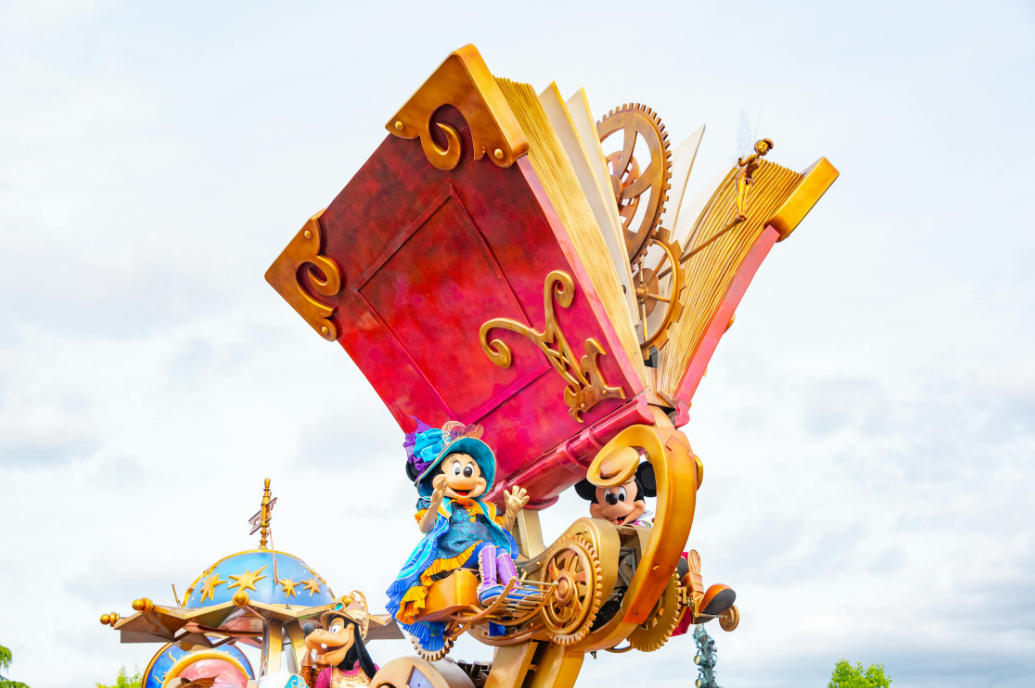
Disney activity books are a staple in toy aisles and family shopping carts for good reason. They're colorful, familiar, and genuinely exciting for young children.
But do Disney activity books help with learning, or do they just keep kids busy? The honest answer is yes, but how you use them matters more than whether you buy them.
What Are Disney Activity Books?
Disney activity books are structured learning books built around beloved characters like Mickey Mouse or Elsa from Frozen. They deliver educational content through tracing, coloring, puzzles, and letter and number recognition.
Most fall into a few types. Wipe-clean books allow for repeated practice, sticker books build fine motor coordination, and workbook-style formats follow a structured skill progression suited for children aged 4 and up.
The Key Learning Benefits
Disney learning books for preschoolers offer real developmental value when chosen carefully. Here's what research and practice consistently point to.
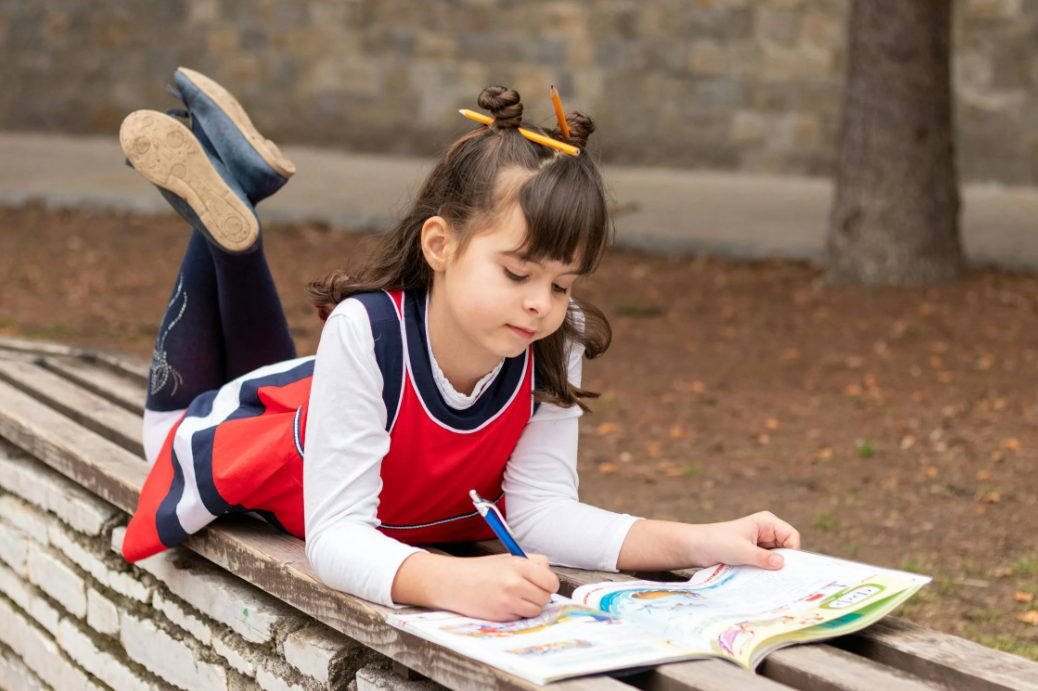
Early Literacy and Numeracy Skills
Many Disney books cover alphabet recognition, phonics, and counting tasks. These are foundational literacy development activities and math skills for preschoolers that form the building blocks of later academic success.
The character connection makes repetition more tolerable. A child who resists plain workbooks often stays engaged longer when a beloved character is on the page.
Fine Motor Skills Development
Tracing outlines, coloring within boundaries, and cutting activities all build the coordination young children need for writing. Fine motor skills development through character-driven tasks gives kids a motivating reason to practice.
That motivation is what separates Disney books from generic educational worksheets for kids. Kids feel like they're playing, not practicing.
Engagement Through Familiar Characters
Familiar characters lower the resistance barrier for reluctant learners. A child who loves Moana stays with a phonics page far longer than one featuring plain letter shapes.
This is one of the clearest kids activity book benefits Disney titles have over generic formats. Character-based learning taps into emotional connection and drives sustained child engagement.
Critical Thinking and Problem Solving
Mazes, matching tasks, and sequencing exercises develop cognitive development in children in ways that coloring alone doesn't. These formats ask kids to figure something out rather than just fill in a space.
Interactive learning for kids works best when there's a real goal to reach. That distinction matters significantly at the preschool level.
Do They Actually Work?
Whether Disney activity books help with learning depends almost entirely on how they're used. A child flipping through passively gets far less out of the experience than one guided with questions and conversation.
Sitting alongside your child while working through pages increases retention dramatically. Returning to the same concept across multiple short sessions is where real learning sticks. The families who get the most out of park-themed family activity books apply this same principle. Consistency and guided learning techniques make all the difference.
Disney Activity Books vs Other Learning Tools
| Tool | Strengths | Weaknesses |
|---|---|---|
| Disney Activity Books | Engaging, screen-free, portable | Limited depth over time |
| Traditional Workbooks | Structured, skill-progressive | Less engaging for young kids |
| Learning Apps | Interactive, adaptive | Screen time concerns |
None of these works best in isolation. Disney books are most effective as screen-free learning activities within a broader mix of play, exploration, and real-world experience.
How to Use Activity Books for Maximum Learning
The single biggest factor in whether an activity book works is how it's introduced at home. These four habits make a real difference.
Sit with your child during early sessions and ask questions about what they see
Connect activities to real life, like counting objects around the house after a counting page
Keep sessions short and consistent rather than long and sporadic
Rotate books regularly to keep the activity feeling fresh
Age-Based Recommendations
Matching the book to your child's developmental stage separates a worthwhile purchase from a frustrating one. For ages 3 to 5, stick to tracing, shape recognition, and simple coloring. Preschool educational activities at this stage should prioritize physical engagement over academic content.
For ages 5 to 8, children are ready for reading exercises, basic math, and logic puzzles. A Shenandoah family activity book is a solid example of content that builds progressively rather than staying flat throughout.
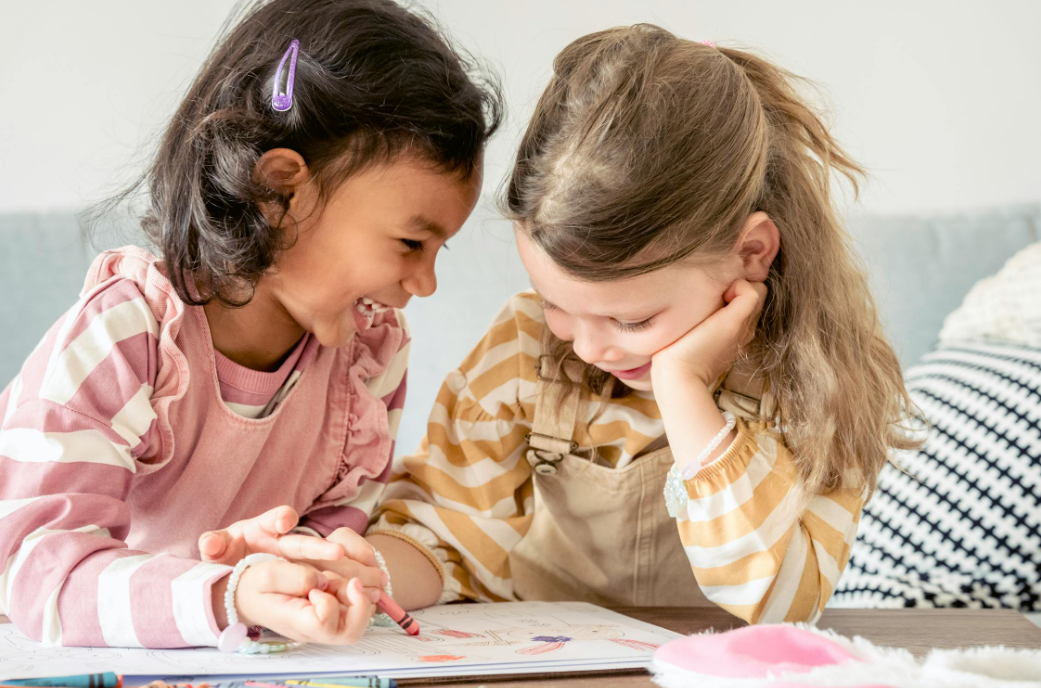
When Activity Books May Not Be Effective
Activity books fall short in a few consistent ways. Overuse without parental involvement is the most common issue. A child left alone with books for long stretches rarely benefits as much as one working alongside a parent.
Disengagement is another signal to watch for. If your child consistently skips pages, the book may be too easy, too advanced, or simply not matched to their current interests. Replacing real hands-on learning for kids entirely with bookwork is also a mistake. Outdoor learning programs for kids develop skills through play and exploration that no activity book can replicate on its own.
Why Expert-Curated Learning Resources Matter
There's a real quality gap between a book that entertains and one that truly educates. Not all activity books, even popular Disney ones, are built around sound developmental principles.
Expert-curated resources follow a clear skill progression, mix activity types, and target specific learning outcomes. Educational activity books effectiveness goes up significantly when books are designed by educators rather than just licensed around popular characters. Youth education at national parks is a strong example of how structured, real-world learning experiences go far deeper than worksheet-based formats alone.
Choosing the Right Learning Resources
The most effective approach treats activity books as one piece of a broader learning mix. Books tied to real places give children something meaningful to engage with well beyond the page.
Our guide to best preschool activity books is a strong starting point for parents who want to filter out low-quality options before spending money. For families with a national park trip on the horizon, the Everglades guide for kids turns learning through play into creative learning exercises tied directly to a real destination.
Final Verdict
So do Disney activity books help with learning? Yes, when they're matched to your child's age and used as guided activities rather than solo ones.
They work best as supplementary early childhood learning tools within a broader routine. Ready to go beyond character-only formats? Wonder Park Family's Yellowstone activity book and other park-themed guides are built around America's most iconic destinations and designed to make every family adventure more meaningful.
Frequently Asked Questions
Do activity books actually help children learn? Yes, especially with parental involvement. Activity books build fine motor skills, early literacy, and cognitive development. The key is choosing age-appropriate content and using the book as a shared activity rather than leaving your child to work through it alone.
At what age should kids start using activity books? Most children are ready around age 2 to 3. Simple tracing, matching, and coloring activities work well at this stage. As coordination and attention span develop, children can handle more structured formats with letters, numbers, and logic tasks.
Are Disney activity books better than regular workbooks? Not necessarily better, just different. Disney books tend to engage reluctant learners through familiar characters, while regular workbooks offer more structured skill progression. A mix of both formats gives children the benefits of engagement and depth.
How long should a child use activity books each day? Ten to fifteen minutes per session is a realistic and effective target for most preschoolers. Short, consistent sessions build better habits than long, irregular ones. Always watch for signs of fatigue or frustration and wrap up on a positive note.
Can activity books replace school learning? No. Activity books support foundational skills but can't replicate the social interaction, guided instruction, and real-world context that school provides. They're most valuable as a supplement to broader learning experiences, not a standalone curriculum.
Do activity books improve fine motor skills? Yes. Tracing, coloring, and cutting are among the most effective fine motor skills development activities available at home. These tasks build the hand strength and coordination children need for writing and improve noticeably with regular, consistent practice.
Are screen-free learning tools more effective for young kids? Research generally supports limiting screen time for children under 5. Screen-free learning activities like activity books build focus, physical coordination, and patience in ways that screen-based formats often don't. Both can be useful, but books offer real advantages screens can't replicate.
How can parents make activity books more effective? Sit with your child, ask questions, and connect the activities to real life. Setting small daily goals and celebrating finished pages builds positive habits. Rotating between two or three books also prevents the repetition that leads most children to lose interest.
What should I look for in a good activity book? Age-appropriate difficulty, clear skill progression, and a variety of activity formats are the most important factors. Books tied to real-world themes or places your child cares about tend to generate longer engagement than abstract or purely character-based content.
Are themed learning books like Disney beneficial or distracting? Themed books are genuinely beneficial when the theme motivates engagement. Disney characters lower the resistance barrier for reluctant learners. The bigger concern is always content quality rather than the theme itself. A well-designed themed book consistently outperforms a poorly designed plain one.