
How to Make a National Park Trip an Annual Family Tradition
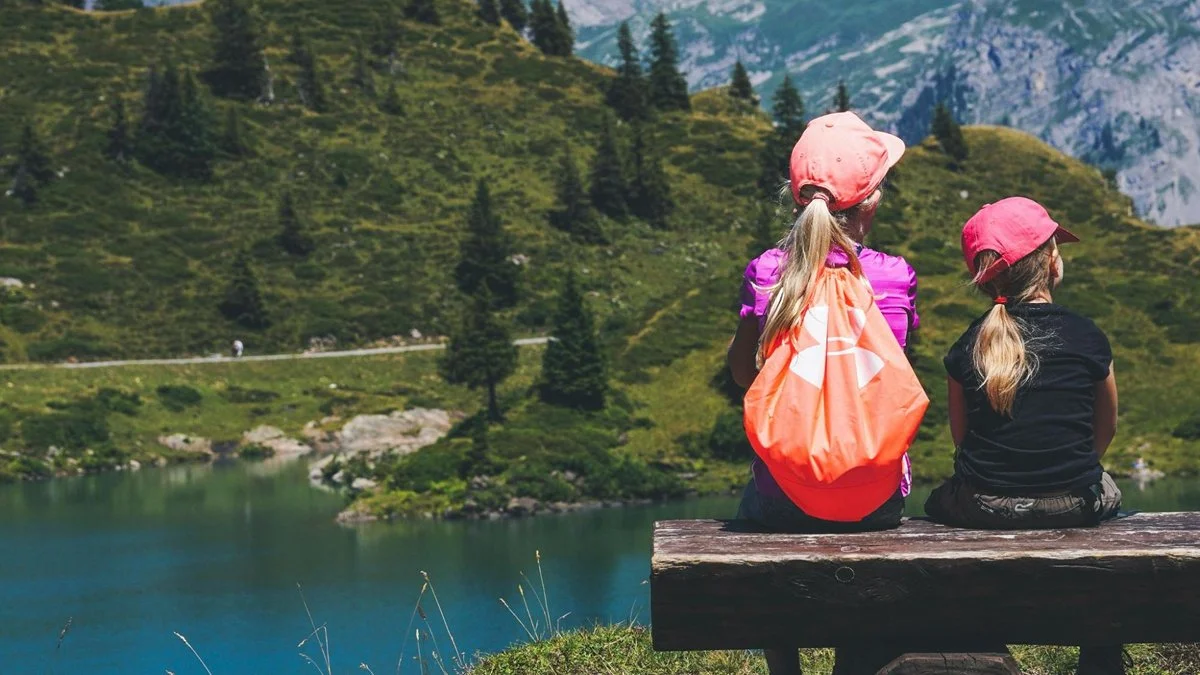
Some families always seem to have a trip on the calendar. Year after year, they head back to a favorite park or check a new one off the list, and the kids grow up knowing it's just what they do. Making national park visits a family tradition isn't complicated. It takes a few intentional habits and the willingness to keep showing up.
Why National Parks Work So Well as a Yearly Tradition
National parks offer something most vacation destinations don't. The experience changes as your kids grow. A trail that challenges a seven-year-old looks completely different when they're twelve. That built-in evolution keeps the family tradition fresh without you having to reinvent the whole trip.
The parks also reward repeat visitors. Junior Ranger badges, passport stamps, and trail knowledge build up over time. Those layers turn a single vacation into a story your family adds to every year.
Start With One Park and Build From There
A lot of families stall out trying to plan too much at once. Start with one park that fits your budget, travel distance, and your kids' current ages. Getting there is the whole goal for year one.
Returning to the same park the following year is underrated. Kids notice things they missed the first time. You'll find trails you skipped and spots that start to feel like yours. That sense of ownership is exactly what turns a trip into a family tradition. Once the routine feels natural, you can start rotating in new parks while keeping your first choice as a home base.
Build Rituals That Travel With You
Rituals are what make a tradition feel like one. Here are a few that work especially well for national park families.
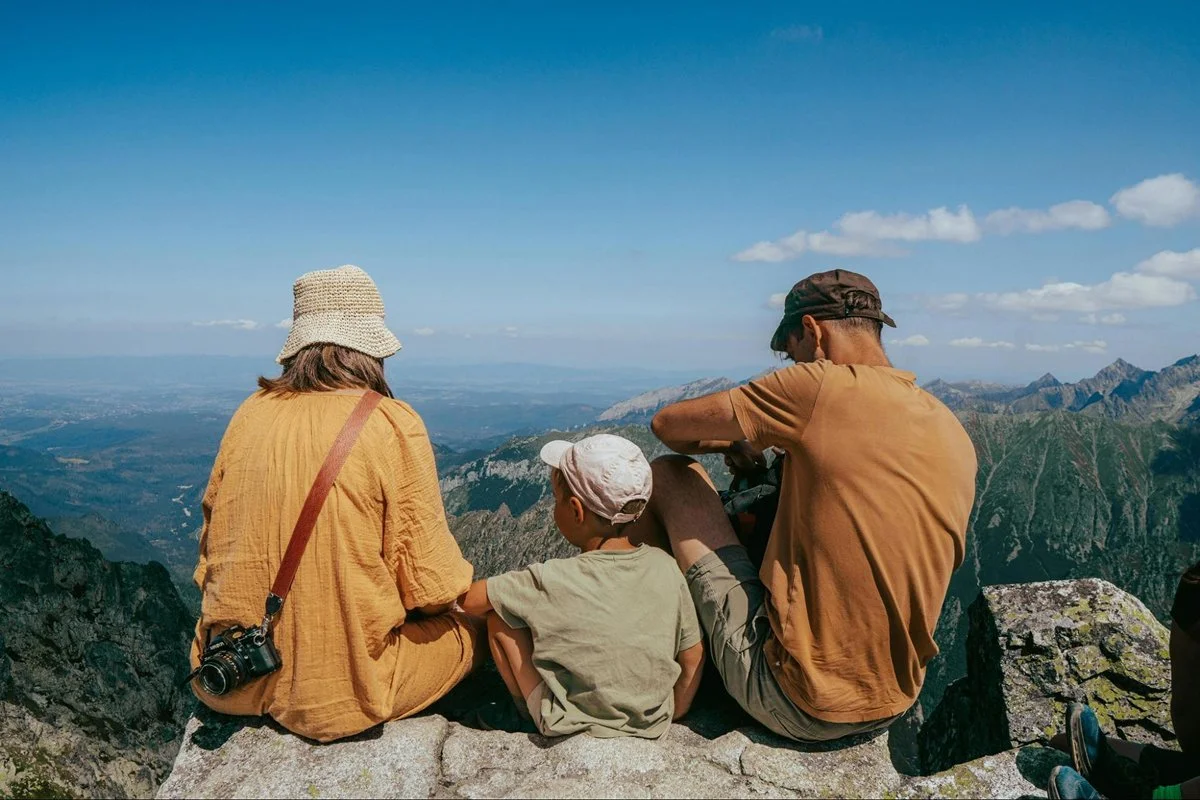
Collect passport stamps at every visitor center. The Passport to Your National Parks program lets kids collect a free ink stamp at nearly every park unit in the country. A full passport book becomes a physical record of everywhere your family has been.
Start a family travel journal. Assign a different family member to write the day's entry each evening. After a few years, you'll have a multi-volume record that reads better than any photo album.
Earn Junior Ranger badges at each park. Kids can collect official badges at hundreds of parks through the Junior Ranger program. A dedicated display at home turns the collection into something they're genuinely proud of.
Pick one meal that only happens on park trips. A specific breakfast food on the first morning carries more weight than you'd expect.
A Shenandoah adventure guide gives kids a screen-free activity for the car ride and the trail, keeping excitement high from departure to arrival.
Get Kids Involved in the Planning
Involvement creates ownership. When kids help choose the park, they arrive already invested in the trip. Let them vote on destinations, research the trails, or look up which animals live in that ecosystem.
Give each kid a specific job during the trip too. One tracks mileage on the trail. Another is in charge of spotting wildlife. A third handles the travel journal. Roles keep kids engaged and make them feel like real participants rather than passengers.
Build a Trail of Memories Over Time
Souvenirs don't have to cost much to mean something. A small rock from each park, a pressed leaf, or a photo from the same viewpoint every visit builds a record that connects trips into one ongoing story.
A Select Your Book Bundle from Wonder Park Family makes it easy to pick up a dedicated adventure guide for each park you visit and build a shelf of memories over the years. Taking an annual photo from the same overlook is another ritual that pays off. Ten years of the same viewpoint, with the kids visibly taller in each frame, is the kind of thing that makes a family tradition feel like a real legacy.
Make Annual Park Trips Easier on the Budget
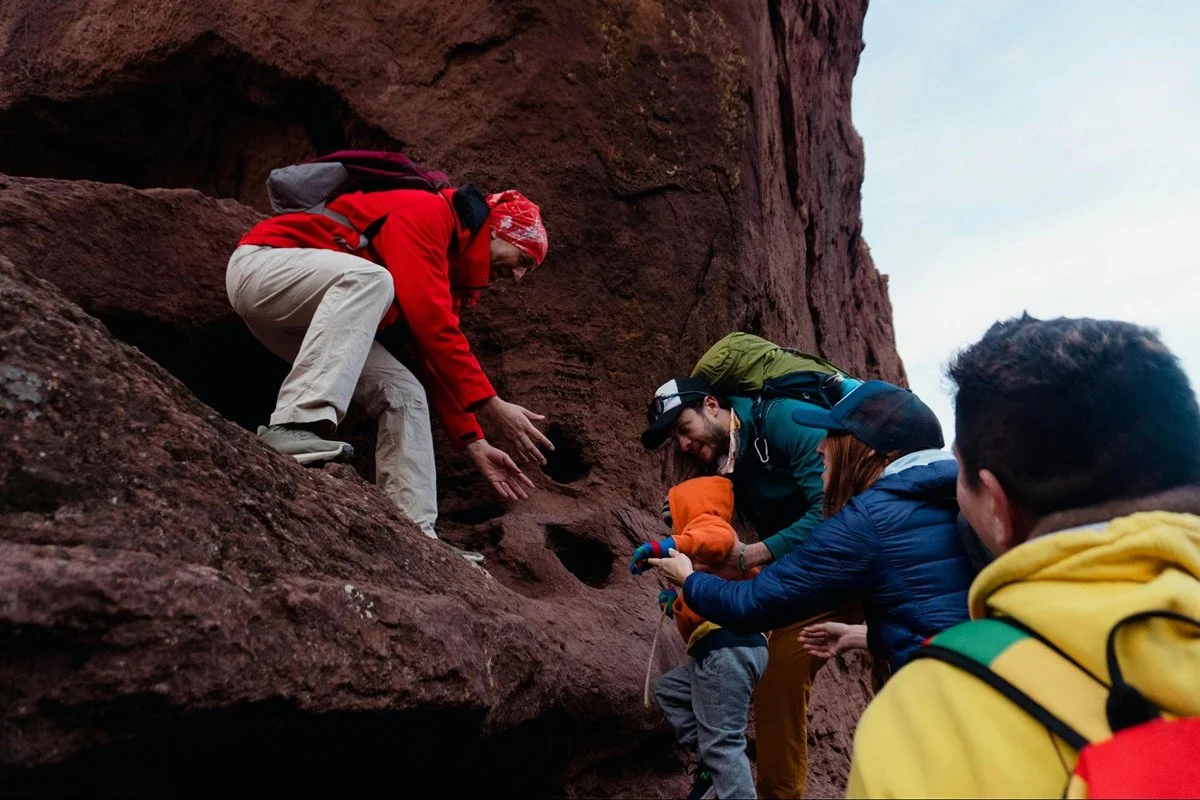
Cost is the most common reason families don't make park trips a yearly habit. The America the Beautiful annual pass covers entrance fees at more than 2,000 federal recreation sites for one year. For families visiting more than two fee-charging parks annually, it pays for itself quickly.
Book campsites instead of hotels whenever possible. Staying inside the park cuts commute time and puts you right in the experience from the moment you wake up. It's also significantly cheaper than lodging outside the gates.
A Tradition Worth Starting This Year
The best part about building a national park family tradition is that you can start it whenever you're ready. Your kids don't need to be a specific age. You don't need a big budget or months of planning. You just need to go once and decide to come back.
Wonder Park Family creates screen-free adventure guides built for exactly this kind of travel. Each guide is packed with STEM projects, road trip games, creative art activities, and journaling prompts that keep kids curious from the trailhead to the drive home. The Wonder Park Family Zion adventure guide is a great starting point for one of the country's most iconic family parks.
Frequently Asked Questions
Can traveling be a family tradition?
Absolutely. Traveling becomes a family tradition when you repeat it intentionally. Annual national park trips work especially well because the experience changes as kids grow, giving the tradition built-in longevity and something new to look forward to each time.
What is it called when you do something every year with your family?
It's commonly called a family tradition. When it involves travel, it's sometimes called a travel ritual or a yearly family vacation tradition. The key element is intentional repetition, where everyone knows it's happening and builds anticipation around it.
How do you create a family tradition?
Start small and repeat it. Pick one activity or destination, do it once, then commit to doing it again. Over time, repetition becomes the tradition, and kids begin to anticipate it as part of how your family operates.
How do you keep your family happy during a national park visit?
Give kids a role. They stay engaged when they have a job, whether that's tracking trail mileage, spotting wildlife, or keeping the travel journal. Ranger-led programs and Junior Ranger booklets also give kids structured activities that hold their attention throughout the day.
How do summer trips help create family traditions?
Summer trips fit naturally into the school calendar and give kids something concrete to look forward to each year. Repeating the same type of trip, like a national park visit, builds a shared identity around family adventure and outdoor exploration.
What are good vacation ideas for a family of four in the United States?
National parks are one of the most flexible options. They work for a range of budgets and offer activities for multiple age groups across every region. Great Smoky Mountains, Shenandoah, Acadia, Zion, and Rocky Mountain are consistently strong picks for families of four.
How do you make a family vacation fun for everyone?
Involve everyone in planning, build in downtime, and keep the schedule flexible. At national parks, a mix of ranger programs, self-guided hikes, and unstructured time gives each family member something they'll enjoy without overloading the day.
What are the best ways to build anticipation before a park trip? Get kids involved in research ahead of time. Let them pick one trail or one animal they want to spot. Pick up a park-specific adventure guide before you leave. Countdown calendars and pre-trip packing lists help build excitement in the weeks leading up to departure.
Where is a good place for a family vacation in the US?
National parks are a strong pick across all regions. East Coast families often start with Great Smoky Mountains or Shenandoah. Midwest families tend toward Mammoth Cave. Southwest and West Coast families have Zion, Arches, and Yosemite within reach. There's a worthwhile park in almost every part of the country.
How do outdoor family trips create lasting memories?
Outdoor experiences engage multiple senses at once, which makes them more memorable than passive activities. When kids help navigate a trail, collect a passport stamp, or earn a Junior Ranger badge, they're actively building the memory. Those moments tend to stick for a lifetime.