
How to Get Your Kids Excited About a National Park Trip
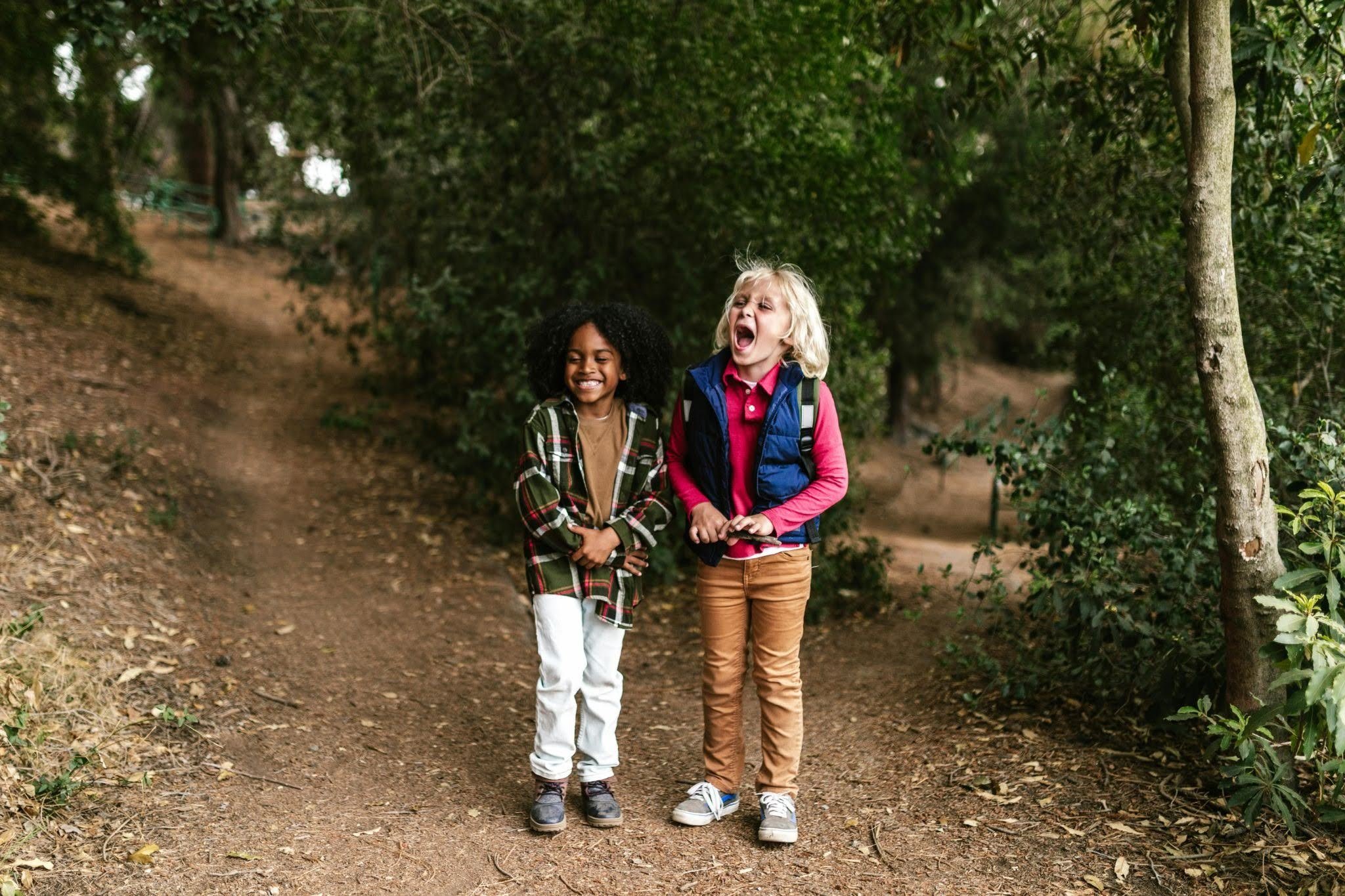
Getting your kids excited about a national park trip doesn't always happen on its own. Some kids are all in from the moment they hear the words "road trip." Others need a little more convincing, and that's completely normal.
The good news is that building real excitement isn't hard. It just takes some intention before the trip, during it, and even after you're back home.
Start the Countdown Early
Don't wait until the morning to tell your kids where you're headed. Give them a week or two to get curious about the destination. A simple countdown on the fridge builds more anticipation than you'd expect.
Pull up photos of the park together and show them what the landscape looks like. Point out the animals, the waterfalls, or the giant trees they might see. When kids can picture it, they start to genuinely want it.
Give Them a Real Say
Kids are far more excited about things they feel like they helped plan. Let them pick one trail, one viewpoint, or one animal they're hoping to spot. That small choice turns the trip into something they care about.
Involving them in packing works well, too. Letting them choose their trail snacks or pick out a pair of hiking socks makes the prep feel like part of the fun. These moments build enthusiasm for outdoor activities without any pressure.
Lean Into Books and Maps
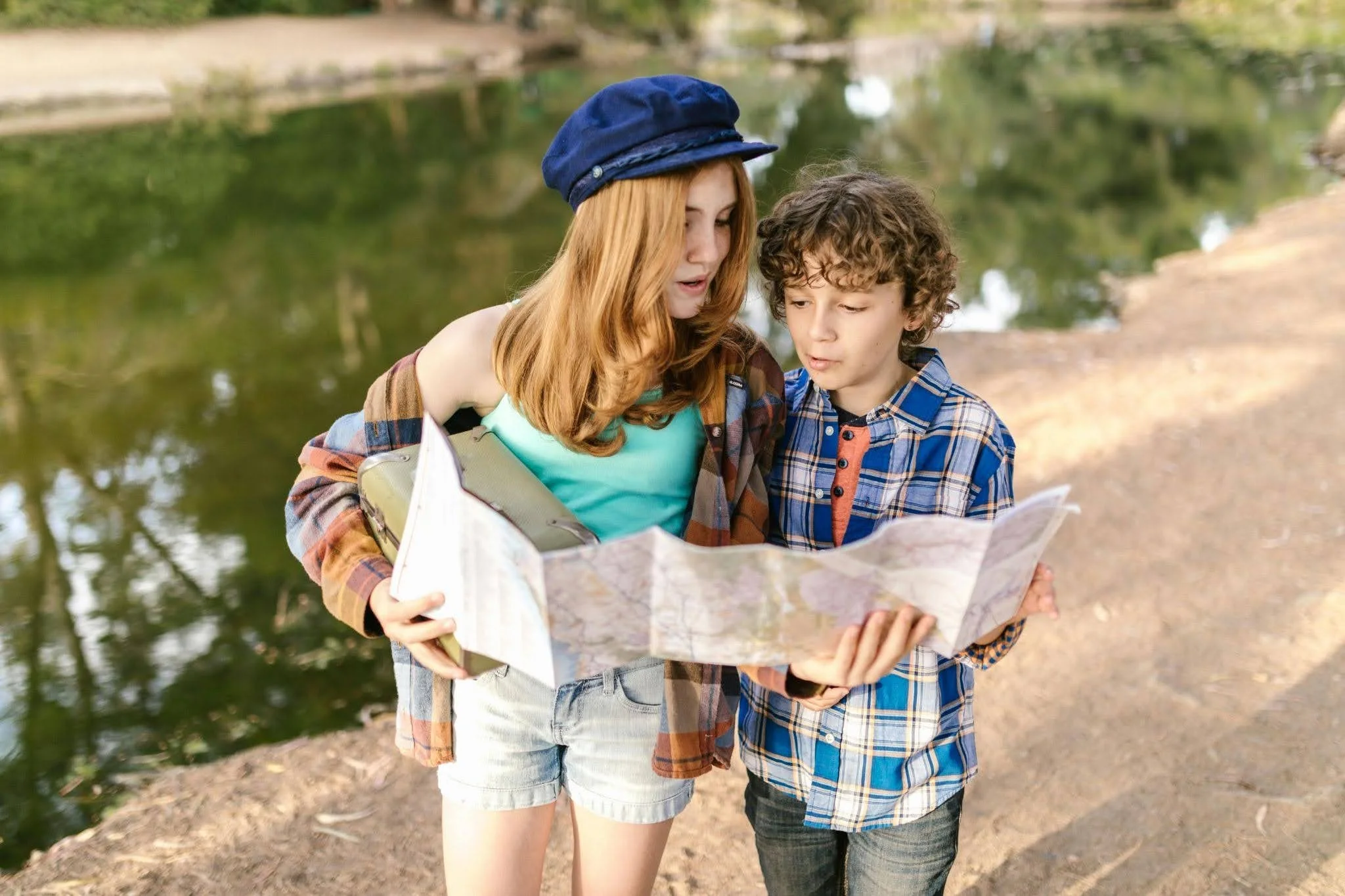
A park-specific activity book gives kids something to do on the drive and something to look forward to once they arrive. The Smoky Mountains adventure guide is packed with hands-on activities designed to keep younger kids engaged from the moment they open it.A trail map also works surprisingly well. Spread one out on the table and let them trace the route with their finger. Kids who feel like co-navigators are much less likely to ask, "are we there yet?"
Make the Junior Ranger Program the Goal
The junior ranger program is one of the most underrated tools in any family's travel toolkit. Kids complete a set of activities during their park visit, then bring their booklet to a ranger who swears them in and hands them an official badge. It's free, it's memorable, and it gives kids a real mission to chase. You can look through the official program requirements ahead of time so your kids know exactly what they're working toward.
The badge ceremony is something kids genuinely remember. For many, it's the highlight of the entire national park trip.
Pack With Your Kids in Mind
Comfort matters more than most parents expect on a family trip. A kid who's hot, hungry, or bored will check out fast. Pack trail snacks they actually love, a small backpack they can carry themselves, and binoculars for wildlife spotting.A good activity book also pulls double duty on longer drives. The Rocky Mountain guide for kids is a great screen-free option that keeps kids engaged on the road and curious once they arrive at the park.
Choose Trails That Are Actually Fun for Kids
The best hiking trails for young kids have payoffs along the way, not just at the end. Look for short loops with waterfalls, viewpoints, or meadows where wildlife tends to appear. A trail with three fun moments beats a long trail with one big finale every time.
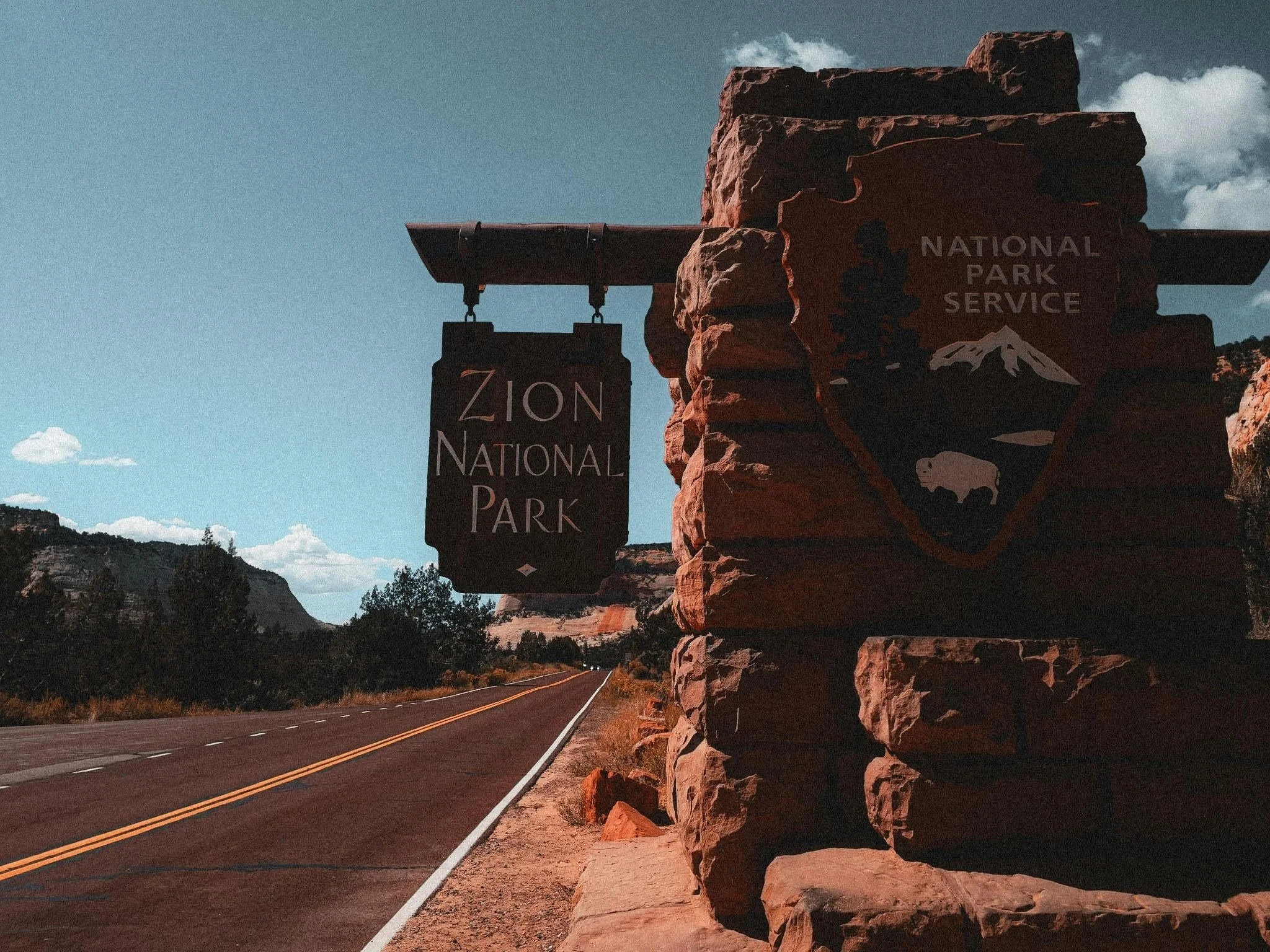
If you're heading to Zion, the Wonder Park Family Zion adventure guide helps families find the spots that land best with younger hikers. For general guidance, family hiking tips by age can help you match trail difficulty to what your kids can realistically handle.
Bring the Trip Home With You
The adventure doesn't have to end when you pull back into the driveway. Help your kids draw their favorite moments, jot a few lines in a trip journal, or put together a small photo album as a family. These simple activities stretch the experience out and keep the feeling alive.
Start talking about the next park, too. Letting kids build a wishlist of places they want to visit keeps the momentum going long after the first trip.
Wonder Park Family was built around exactly this idea, that every trip can be the beginning of something bigger for your family.
Your Next National Park Trip Starts Now
Getting your kids excited about a national park trip comes down to one thing. Make it feel like their adventure, not just yours. When they have a say in the plan, a goal to chase at the park, and tools that speak their language, everything shifts.
Keeping kids engaged from arrival to checkout doesn't have to feel like a second job. With a little prep and the right tools in your bag, the whole trip gets easier and a lot more fun. If you're looking for a park-specific book to bring along, Wonder Park Family has adventure guides built for the parks families love most.
Frequently Asked Questions
How to get kids excited about nature?
Start with small, local kids outdoor activities and follow their lead. Let them touch things, spot bugs, and move at their own pace. Point out animal tracks, unusual rocks, and interesting plants along the way. When nature feels like play instead of a lesson, kids naturally want more of it.
Can a 5-year-old do a 3-mile hike?
Yes, on the right trail. Flat or gently rolling paths with something interesting to see along the way work best. Plan for frequent snack breaks and keep the pace relaxed. Many 5-year-olds handle 2 to 3 miles comfortably when the hike stays engaging and unhurried.
How do you surprise your kids with a trip?
Drop hints over a few days with clues, a photo, or a trail map left where they'll find it. A countdown calendar also builds suspense well. Tying the reveal to something they already love, like animals or big waterfalls, usually makes the reaction worth all the buildup.
What is the 10-10-10 rule for kids?
It's a trail strategy where kids hike for 10 minutes, rest for 10, then hike again. The pattern keeps younger hikers from burning out too fast. Some families adjust the intervals by age, but the basic rhythm of moving and resting makes longer trails much more manageable for little legs.
What is the hardest age to travel with a child?
Most parents find toddlers between 18 months and 3 years the most challenging. They're too big to ride in a carrier all day but too young to follow trail rules consistently. Short, stimulating outings with built-in stops work better than long travel days with this age group.
Is a 5K too far for a 7-year-old?
Not usually. A 5K is roughly 3.1 miles, which most healthy 7-year-olds can handle on a good trail. Keep the pace relaxed and bring plenty of snacks. Give them something fun to spot or accomplish along the way, and most kids this age do just fine.
What national parks are best with young kids?
Great Smoky Mountains, Acadia, Rocky Mountain, Zion, and Everglades are all great choices for families with young children. Each offers short, scenic trails and an active junior ranger program. Wildlife sightings are also common at all five, which goes a long way with curious kids.
What is the most forgotten item when traveling?
Sunscreen tops most lists, followed by a portable charger and prescription medications. A compact first-aid kit is also an easy miss. Writing out a packing checklist a couple of days before you leave helps catch the things that slip through when you're packing in a hurry.
What should you not forget when packing for a trip?
Don't skip layers for unexpected weather changes, a water bottle per person, and snacks that travel well. For kids specifically, bring a comfort item for the drive and an activity book for downtime. Good snacks and something engaging make a real difference for younger travelers on long trips.
What is the best age to travel the world with kids?
Ages 4 to 10 are widely considered the sweet spot for family travel. Kids this age are curious, adaptable, and still love spending time with their parents. They're old enough to remember the experiences but still young enough to find genuine wonder in almost everything they see.